Yesterday morning, as I sat in a hotel hot tub with my son, engaged in stimulating conversation about current events with a lovely couple from Portland, we discussed how much fear there is in the world right now. The couple expressed that there were moments when it was hard not to feel hopeless. I understand this feeling, but when we are stuck in a place of fear, it is too easy to lose perspective of the big picture.
It’s true that it feels very much like we are in a downward cycle in many places in the world, but particularly in America right now. Inflation has skyrocketed, causing the cost of living to dramatically increase for most of us.  regardless of our political affiliation, we all know how tenuous things are feeling politically and socially, as well.
Yet it is equally true that in spite of all of this, the vast majority of us here in America live so much better than humans have as a whole perhaps in our entire known history. Most of us have plenty of food to eat, a roof over our heads, community around us, good sanitation and reasonably goods health.
When we are able to keep our focus on the good of our lives rather than becoming a slave to fear, our neurochemistry creates a cycle of well-being and good health in the body and mind.
Beyond that, when we are in a state of appreciation and gratitude, we raise the vibration of our magnetic field and our frequency – just like a radio, projects information that is picked up by those nearest us. According to quantum entanglement, this also extends into the world and the universe beyond, potentially creating greater good in the world, and an increased likelihood of a positive future for all of us.
I realize that it’s not always easy to remain in this state full time, of course. Contrast happens in everyone’s lives, and the thousands of little stressors that each of us experience day-to-day adds up to what can feel overwhelming, at times. But with awareness and practice, we can achieve ease and even joy, the majority of the time.
Personally, though I am naturally inclined to be an optimist, I have certainly had periods in my life where things felt so dark that it was difficult to find the light.
There are times when I have to be acutely conscious of where I am allowing my thoughts and emotions to go, and when I find myself going into that bad place, redirecting to something better to keep myself on that upswing. It feels so much better to stay in the light than to be stuck in a “dark room” of self-pity or victimization.
We are all writing the novels of our own lives each moment, and when I reach the last chapter, I want to know that I played the hero and not the victim or villain of this amazing story.✨
I use meditation, self-hypnosis techniques, music, good, nourishing food, self-care, travel, exercise, especially outdoors, and forms of therapy such as writing, art, dancing, or social time to bring me back to remembrance of how extraordinarily blessed my life is.
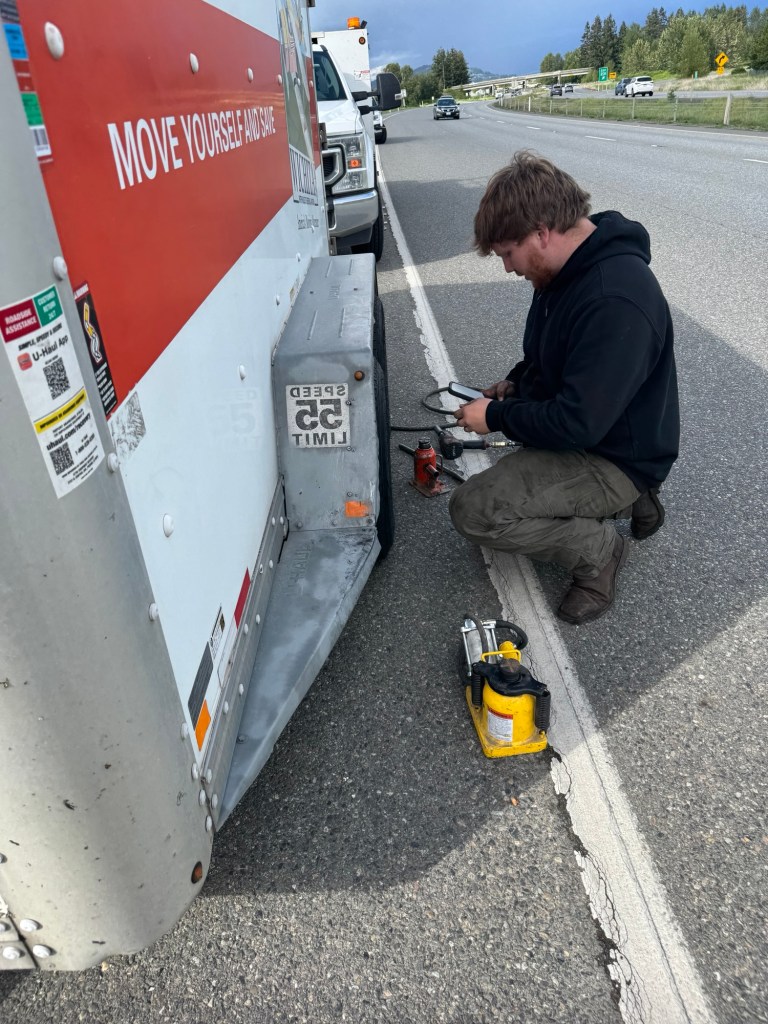
These last couple of days have been a poignant example of the joy – and the frustration – that makes this life into such a beautifully complex and flavorful stew. I spent the weekend moving loads between Whatcom County and my new place in Eastern Washington; sometimes driving 14 hours a day with only a few hours of rest between driving and loading/unloading a U-Haul trailer. Monday, I took time to take my dogs on a beautiful walk on the Riverside trail in Ellensburg, then met up with my son in #bellinghamwashington for a little retail therapy, dinner The Bellwether with friends and family (check out this spectacular rainbow!) then a long soak and sauna before bed. The next morning found me happily soaking again, enjoying conversation with new friends, but things got challenging in the afternoon when one of the tires on the U-Haul I rented blew out on a busy stretch of highway.
I had purchased roadside service, thankfully, and called to get assistance immediately. I spent 15 minutes on the phone with an agent who assured me he would reach out shortly to give me an ETA of when someone would arrive to either change the tire or tow the U-Haul to be repaired.
An hour passed in my overly warm vehicle, dogs panting in the back, with no word from the service provider.🫤 needless to say, after the first hour, I was feeling more than a little cranky.
Finally, I called the company again to learn that somehow, the agent had neglected to submit the report. A new agent got a report submitted and an hour later help arrived. Excell Commercial Tire Service was quick to get the tire changed courteous, and professional despite the fact that there was only about 2 inches between said tire and the right hand lane of the highway.
I got back on the road, later than I had hoped but safely rolling. In Cle Elum, I picked up a Thai iced tea from a charming little Thai restaurant owned by an Irishman and his Thai wife. Once more on the road, I was finally feeling back to my usual happy place when I managed to dump the entire 24 ounces of tea all over my car when the lid popped off as i was lifting it from the cup holder.
I admit there was a major WTAF to the Universe/Unified Field. I pulled over, cleaned up the tea, and took a moment to re-center, reminding myself that life is complex. Sometimes, we can hold pain in one hand and still have joy in the other.
It can be true that big picture, the vast majority of us are incredibly blessed and fortunate to have the life that we do, but it doesn’t mean we are not going to experience contrast or even hardship.
This is part of what makes those blessings so very sweet. I have experienced plenty of contrast and over the course of my life. I have suffered abuse, great losses, and financial hardship, just like many others.
But I believe that my ability to come back to a state of optimism and appreciation of for the beauty of this life is the reason that I have also had so many extraordinary blessings – extensive travel, satisfying businesses/career, economic comfort, most of the time. Opportunities for education, expansion, and most importantly, beautiful connections with amazing humans in my family, friendships, and kinships I have found with people around the world.
I am not unique or special in this. Every single human shares the ability to create happiness, whatever that looks like to each individual – through these basic practices of awareness and intention of where we allow our thoughts and emotions to reside, the majority of the time.
The late Dr. David Hawkins; clinician, author, and researcher, theorized that the closer to “enlightenment“ we as individuals become, the greater our impact on the evolution of all:
👉 One human, who vibrates at the energy of optimism and non-judgmentalism can counter balance, the negativity of 90,000 individuals who are on lower, weaker vibrational frequencies.
👉 One human who vibrates at the energy of pure love and reverence for all of life can counterbalance the negativity of 750,000 lower vibrations.
👉 One human who vibrates at the energy of illumination, bliss, and peace, will counterbalance the negativity of 10 million people who are calibrated to a lower vibration.
👉 One human who vibrates to the energy of grace, spirit beyond the body and non-duality/oneness will counterbalance the negativity of 70 million people calibrated to a lower vibration.
👉 One human who lives in vibrates as an avatar of highest consciousness – such as Christ, Krishna, or the Buddha – well, counterbalance the collective negativity of all mankind in today’s world.
Wow, right?🤯
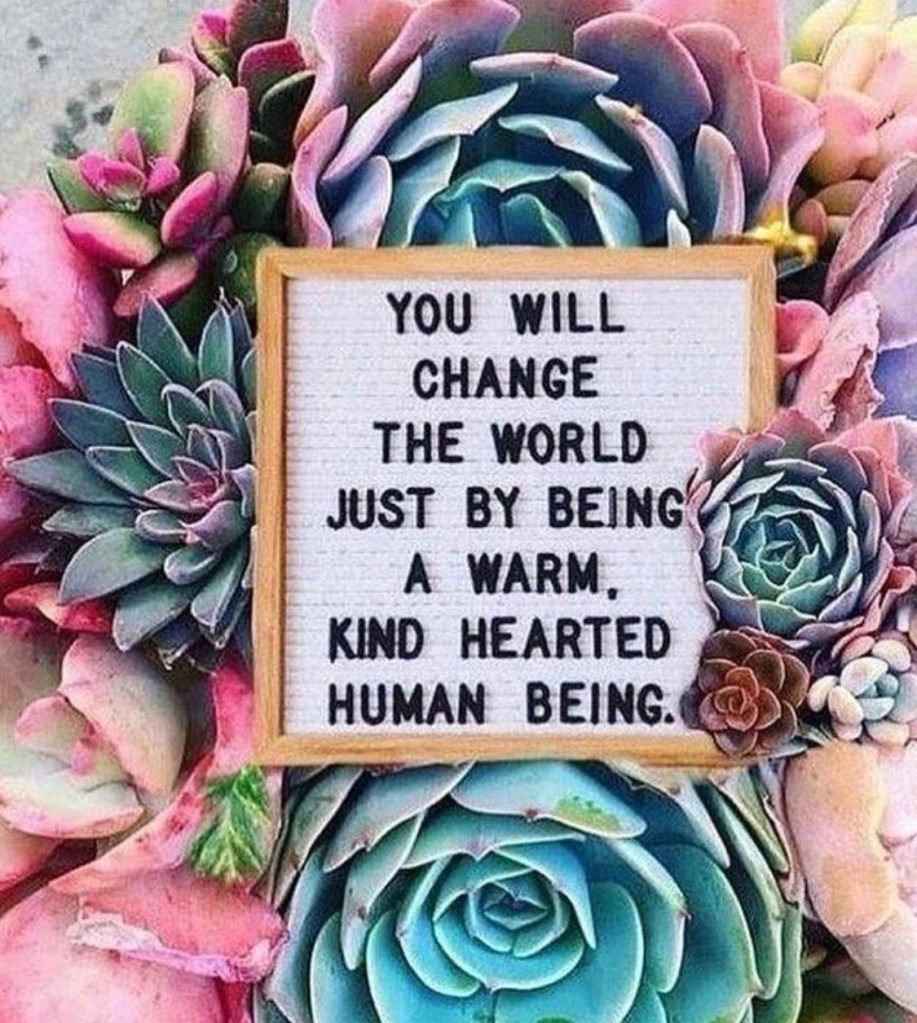
This is the way that we can change the world, regardless of what is happening economically, socially, in our political arenas, or beyond.
One intentional thought pattern at a time – until happiness becomes habitual.🥰
To an emotionally unhealthy person, clear boundaries or a “no” is either a challenge or a personal affront.
To someone who is whole or on their healing journey, there is no possibility for affront. Choosing to listen to one’s own needs instead of people pleasing is a mark of self-respect and value.
Babe. Grab a cuppa and a comfy chair because we are going to take a little dive into a number of subjects today that all tie together, eventually. But the overarching theme here – and this is so important – is this:
You have a right and a responsibility to protect your peace.
This may seem like a no-brainer to some, but it is a radical concept to others who might be accustomed to being the peacemaker in family and peer dynamics – rather than the peace holder.
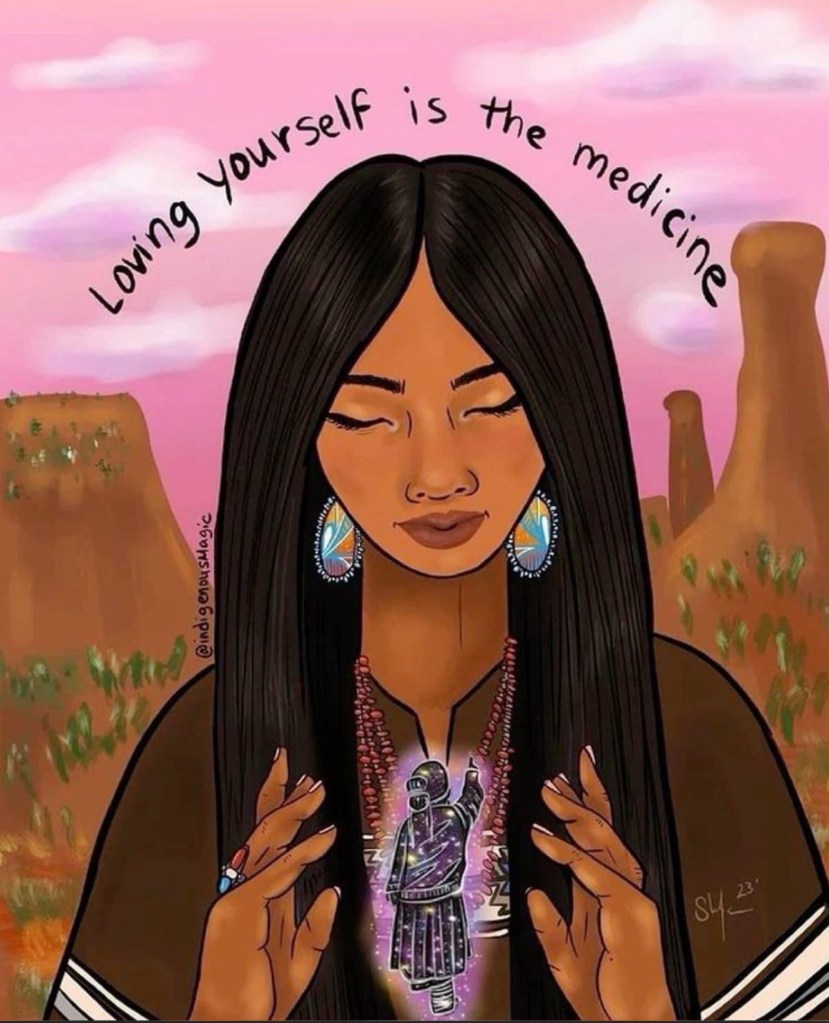
Protecting your peace means it’s not only ok, but vital that we learn to set healthy boundaries for ourselves, our time, and our energetic resources. It is making sure we find time for self-care and learning what it is that makes us as individuals happy.
Because goodness knows, it can be only too easy to lose ourselves in the interests and lives of our partners, peers, and parents. And of course, our children, if we have them.
“Until we are able to love and take care of ourselves, we cannot be much help to others.”
This doesn’t mean that we should not care for and share interests and passions with those close to us, of course. Loving those around us makes everyone’s lives better, and common ground is the best place to find healthy, happy connection, right? But finding a sense of authenticity and joy in our lives requires finding the balance between loving ourselves and others.
Our magnetic field – “aura” can take many shapes…
I like to imagine our bodies, minds, and the magnetic field that surrounds us as an energy storehouse. When we are in balance with ourselves and the world around us – happy with ourselves, our partnerships, family dynamics, social groups, and career or purpose, our energy levels are full. Light. We feel easy in the world and are able to share some of that stored energy with those around us.
But it can also be too easy to get caught up in the drama of someone else’s toxic mentality – and we have absolutely no obligation to invest our time and headspace into energy vampires – people or things that draw from our energy accounts without any promise of return.
This can be so hard for those of us who are empaths, people pleasers or fixer/mediator type personalities.
Here’s where an interesting concept comes in – Have you heard of the ancient Hawaiian practice of Ho’ oponopono?
The word translates into English as “Correction”, but also contains the synonyms “manage” or “supervise”. The practice, often facilitated by a family elder or a Hawaiian Hapuna – healer/priest – is one of healing, reconciliation, forgiveness and love, often within a family or extended family, but extending to anyone who breaks Kapu, or spiritual laws. Often, when a member of the community became ill, a Hapuna would be consulted to help the person become healthy again through finding forgiveness from the Gods or the person with whom there may have been a dispute.
The practice of Ho’oponopono consists of four simple phrases –
~ I’m sorry.
~ Please forgive me.
~ Thank you.
~ I love you.
According to Chade-Meng Tan;(@chandemeng ) Nobel Peace Prize nominee (One Billion Acts Of Peace) and author of Joy on Demand, sitting in silence for just three minutes and sending peace, love, or happiness “I wish for ______ to be happy” can drastically improve your own happiness baseline.
In fact, not only does this practice increase activity in the prefrontal cortex and create new neural pathways that help us to self-regulate our emotional responses (NIH PMID 25646442), but it also lowers cortisol levels and increases oxytocin and serotonin. I’d call that a win all the way around, right?
The practice of Ho’oponopono is of taking full responsibility for our thoughts or actions, making amends through word or deed, giving gratitude and love to the situation or person we may have wronged. This is a beautifully powerful practice and I believe we can take this idea and practice into every aspect of our lives to create greater unity and wholeness within ourselves, our relationships, and the world around us.
The thing is, apologies and vulnerable communication can be so hard.
Often, our past (childhood) programming translates the need for an apology or regular, honest communication to someone as “I must be bad/wrong/unloveable”, etc. This is rarely if ever the case, of course, but remember that an estimated 98% of our daily thoughts and actions are acted from our subconscious, (ego) and most of that began in the first eight years of life.
Our conscious mind may not understand or even care to query as to why it is difficult to say “I am sorry” or communicate without feeling defensive, frightened or intimidated. When we are acting from past trauma or unhealthy patterns, the amygdala – the brain’s processor for emotional response – is triggered, causing us to go into a state of anxiety, anger or fear. This is a primitive, emotional survival-instinct based reaction.
It requires some deep self-exploration and conscious awareness to find the root of our behaviors. Frankly, I don’t believe we can fully do this until we confront the faulty belief systems that our parents, caregivers and peers implanted in our minds from an early age (lack of value/unworthiness. Abandonment. Fear-based thinking/survival. Disempowerment. The list goes on…)
This is where the concept of Ho’oponopono related to the self can be applied to assist in the reprogramming and healing process. When we begin to practice having curiosity about how our internal states are reflected in our outside world on a regular basis, we can begin to address those unhealthy and untrue patterns and programmed ways of thinking.
We can learn to love ourselves in the way that our earliest caregivers perhaps did not know how to. We can forgive ourselves for our past to move forward in a manner based on a healthier EQ, have gratitude and appreciation for who we are in the present moment. All of this establishes the habit of growing the neural network of response from the prefrontal cortex; the part of the brain linked to higher-order functions such as logic, empathy, care and altruism. We learn to be in a place of responding rather than reacting. We learn to validate others’ feelings and take accountability for our own words and behaviors that might sometimes be less than constructive or healthy for ourselves or those around us.
I am currently reading #theatlasofhappiness by @mshelenrussell, a book detailing different customs of increasing happiness from around the world.
Loving the different ideas of what #happiness is from so many different cultural perspectives. This morning’s chapter was from #finland 🇫🇮; my grandmother’s home country. The Finns are a stoic people; having spent many centuries under the rule and thumb of other nations, they learned over generations to be more “survive” than “thrive”. Their national version of happiness – #kalsarikännit – interpreted as “Drinking at home in your underwear with not intention of going out” 😆😆- isn’t exactly my personal ideal, but each to their own. 🤷♀️
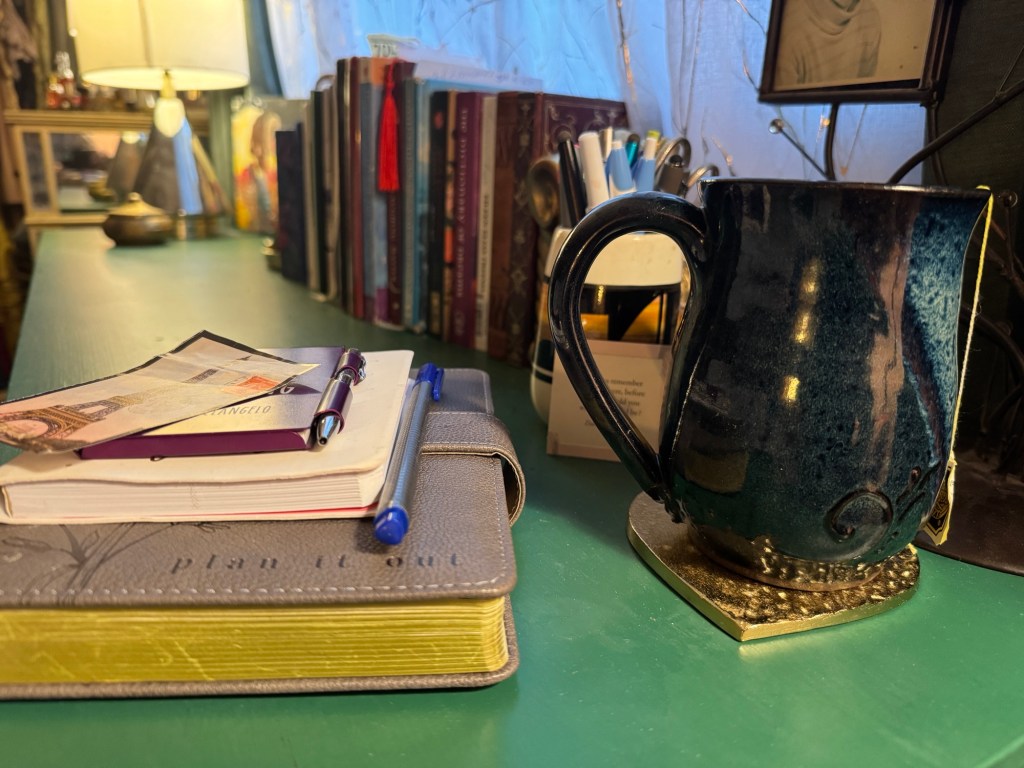
As I sit here enjoying the fragrance of #lemon from my tea, the layers of color, texture, and comfort that I have built into my #nest , and the coziness of this moment, it occurs to me that there is no one “big idea” to define an overall sense of happiness in life.
Lasting happiness is a series of small moments, such as the one I am in the experience of right now, that add up and compound upon each other to create a life of enduring and deep-rooted contentment.
I believe that a large part of the reason that so many people have continued anxiety and depression is because we are always “doing”. We are somewhere in the past or the future rather than just being right here, in appreciation of the moment.
There is hard science to back this theory.🧑🔬
When we are fully present in each moment, especially when we take time to breathe deeply, our sympathetic nervous system (the excitatory system) switches to a parasympathetic nervous system (inhibitory/calming), reducing the stress hormones cortisol and adrenaline and increasing happiness hormones such as serotonin and dopamine, creating a greater sense of calm and well-being. (Add a snuggle with your favorite person or a pet and you get a hit of oxytocin – the “connection hormone”, not only enhancing mood but also empathy, kindness and generosity.) Over time and with practice, our baseline of happiness hormones and emotional resiliency increase, and stress hormones in the system decrease.
What’s especially wonderful about this is that your higher levels of ease and contentment have amazing health and longevity benefits, such as lowering blood pressure, regulating blood sugar levels and metabolic function, lowering the risk of heart disease, and creating better cognitive function and neurological health.
So if you are looking for a greater sense of overall contentment, ease, and joy in your life, look no further than the moment you’re in. It’s true that some moments are better than others, but there is always something to be grateful for. If we can find that appreciation and just rest and breathe in that space of gratitude, those moments will increase and and there will be a time when you realize that, in spite of the contrast that being a human on the planet earth brings, you are happy.🥰
Over the past half decade or so, stress has gotten a majorly bad rap. Levels of anxiety, depression, overwhelm, and general stress are higher now than they have been since 2020 when lockdown happened. I recently heard a news broadcast in which the announcer was saying that of thousands of Americans that were polled on the importance of this last week’s election, 87% believed they would suffer serious post traumatic stress if their candidate did not win. Only 10% of those participants said that they were not worried. I’ve seen and spoken to many that are worried and heartbroken and some that are elated that Trump won, but whichever side of the political arena you happen to have voted, the unpleasantness and misinformation displayed by both parties over the last months – and the extremity of media coverage – has been difficult for most.
Americans are also contending with a rapidly increasing cost of living, leading to a decrease in quality of life. This is compounded by an overall decrease in health with diseases such as autoimmune disorders, diabetes, infertility, and cancer on the rise. Then there are environmental toxins and stressors such as pollution, depleted minerals in our soil and chlorine and fluoride in our water. Added to that we have the “typical American diet” which consists of an overabundance of sugar and highly refined carbohydrates, unhealthy fats and oils, and chemicals that should never be in our foods in the first place.
It’s no wonder that many of us feel overwhelmed and burnt out.
When the body is in a state of elevated stress or “fight or flight”, a number of hormones are released into the bloodstream:
Adrenaline(epinephrine)/norepinephrine: Both increase heart rate and blood pressure, expediting the release of energy from the cells.
Cortisol – affects nearly every organ and tissue in the body. It is vital for regulating the body’s stress response, regulating blood sugar and blood pressure, influences the metabolism and immune function as well as the way the body uses fats, proteins and carbohydrates.
Growth hormone(HGH) increases glucose and free fatty acids in the bloodstream.
Thyroid hormones – increase heart and basal metabolic rate.
Every mammal produces these necessary chemicals; vital for survival in the wild. This evolutionary design is optimal for short, occasional bursts of these hormones – for those times that we may have been chased by a hungry predator, or when we needed to make rapid decisions for the good of the tribe. In the wild, as soon as an animal is safe after a fight or flight episode, the basal rate of these hormones drop to pre-emergency levels.
In the short term, stress can also help us achieve greater success in our lives from the boardroom or the bedroom. In “normal” conditions and doses, hormones such as adrenaline, norepinephrine and the secondary “stress” neurochemical, dopamine, help us to:
move faster
increase energy
think more clearly
focus longer
increases metabolic and immune function, and even temporarily, sexual function
focus intensely and seemingly “slow” time
If we harness the power of these neurotransmitters well, stress can help us to start that business, go on an adventure, ask for that raise or that date, complete important deadlines and more. Adrenaline and cortisol can also get us through emergency situations.
Most of us have had at least one emergency situation in our lives where we experienced greater focus and cognition or speed and strength as a result of this mechanism, allowing us to get through that situation better than we might have thought possible. I’ve had several throughout my life, but a couple of years back, I had one such situation that perfectly illustrates this phenomenon:
I was driving in the carpool lane through the Tacoma area of Washington at night. It was raining and traffic was heavy, but everyone was moving smoothly around 70 mph. I experienced that “prickling” sensation that something was wrong right before I realized there was a tow truck parked at a complete stop with no lights on, in the middle of the lane ahead of me. I was driving right around 70mph and less than 100 feet away when I saw it. I had only seconds to calculate an opening in nearly bumper to bumper traffic of the next lane, big enough for a full-sized sedan in heavy traffic. As my system flooded with adrenaline and cortisol, I had the sense of everything slowing down and my focus narrowing as I slid over into the next lane with what felt like just inches between a full sized truck in front and a motorcycle behind. If I had been just seconds slower, I would have died horribly, likely along with many others on the freeway that night. So thank goodness that we have such powerful neurochemicals and hormones at our disposal when we need them.
As mentioned earlier, in occasional doses, stress can be a valuable and powerful ally. But in our modern society, we often have a near-constant drip of these chemicals as stress becomes prolonged or chronic. When this happens, the very hormones that can be a medicine in the body and brain become a poison. Dr. Tara Swart, (@drtaraswart) a neuroscientist and senior lecturer at MIT, describes cortisol as an especially corrosive agent to nearly every aspect of the body. In chronic exposure and excessive quantities, cortisol has a host of terrible effects in the body and brain:
Is highly inflammatory
degrades immune function
causes weight gain; especially around the belly.
lowers blood supply to the brain, causing impairment of higher neurological function and reasoning processes, creativity and flexible thinking. This also impairs our ability to access our intuition/heart-gut-brain axis and override pre-set cognitive bias.
leaches essential magnesium from the body, impairing the nervous system. This can cause tremors, muscle weakness, low energy, eye twitching and body odor.
Over time, these elevated levels of stress hormones and inflammatory markers can turn on genetic predispositions for diseases such as cancer, diabetes, heart disease and age-related disease such as dementia. When we turn to unhealthy coping mechanisms such as pornography, alcohol or drugs, the excess of neurotransmitters such as dopamine in the system can actually lead to significantly lower levels of dopamine and serotonin in the system, leaving us feeling depressed and unmotivated.
What all of this means is that it is more important than ever to learn to harness “good” stress and learn ways to reframe and decrease our perceived stressors, anxiety and unhappiness. We need to increase our “ happiness baseline” to live longer, healthier, more satisfying lives.
There’s not much we can do about environmental pollutants, but most of us know the basics of self care for the body – limit alcohol and cigarettes, drink clean water and eat a clean diet (to the best of our ability) and get enough sleep each night (7-8 hours is so important. This is when the body and brain heals) and exercise each week to keep our bodies in good condition.
But if we take our self-care a little further to really mitigate long-term detriment, improve our overall quality of life and even extend our life span, there are a few basic habits we can incorporate into our daily or weekly lives to minimize chronic levels of stress hormones.
Acceptance: Noticing negative thought patterns such as “what’s wrong with me/them/the world” and allowing whatever is, just to be.
Gratitude: Gratitude is an amazing neurochemical reset. Just feeling fully thankful for five small things each morning and/or evening before bed can create what seems like truly magical change in our stress levels and day-to-day mindset. According to Harvard Medical School, gratitude not only is strongly associated with greater happiness but also improves health, our ability to deal with adversity and build better relationships.
Mindfulness. Spending even five minutes each day being fully present in the moment and the body can induce improved well-being, reduce reactivity and improve behavior regulation.
Meditation: learning to quiet the mind has too many benefits to list, but reducing stress and anxiety, increasing compassion, adaptability and self-awareness are just a few of the amazing rewards of regular practice.
Breathing: Deep breathing triggers the bodies’ relaxation response. When feeling overwhelmed, doing a breath work “reset” : One long breath followed by one short breath through the nose, hold for four seconds and exhale for 8. Repeat 3-4 times. Deep breathing as a daily practice increases oxygen and blood to the brain, increases energy, lowers blood pressure, and can lengthen life span. Yoga is my favorite way to combine exercise, breath work and mindfulness in a “moving meditation”, but just spending a few minutes each day practicing deep, mindful breathing can dramatically improve health and emotional well-being.
Exercise: Dr. Andrew Huberman; neuroscientist, Stanford lab researcher and podcaster @hubermanlab speaks often of the positive value of exercise – the most recent studies show that humans need a minimum of 150 minutes per week of cardiovascular exercise to maintain good health.
Spending time outdoors. Spending that time in nature is especially beneficial for our physical and emotional health as we absorb vitality-increasing negative ions from the earth, trees, plants and water. Exposure to the sun is vitally important, too. We should get at least twenty minutes of direct sunlight on our eyes and skin each day. The UV and vitamin D that we get from sunshine increases immune function, regulates blood pressure, improves mood and energy levels and can significantly improve cognitive function.
Hot baths: Calms the nervous system. Can improve sleep. Increases blood flow, lowers blood pressure. A 20-year study of over 30,000 people in Japan found that those who bathed daily were less likely to develop cardiovascular disease and have a stroke. Bathing also relieves muscle soreness, and even moreso when we replenish lost magnesium during times of increased stress with a soak in magnesium flakes or salts. We absorb magnesium better through our skin than we do when taken internally. An hour in 104 degree water can also burn calories and lower blood sugar, much like the benefits of a sauna.
Cold exposure. Brief (1-5 minutes) cold plunges/showers increases levels of dopamine in the system for up to six hours after. (!). That’s big benefit for brief discomfort.
Vagus nerve exercises: (nerves in sides of neck that control parasympathetic nervous system) Sing, chant, hum, laugh- vocal cords connect to the vagus nerve. Neck and shoulder massages. Rubbing both sides of neck in downward motion flushes lymphatic system and stimulates the vagus nerve at the same time.
Aromatherapy: one study published in the national Institute of health clearly states that “Olafaction can affect emotions, higher functions, in the autonomic nervous system”. Lavender, chamomile, rosemary, peppermint, jasmine and citrus have all been shown to calm the nervous system, but many of us have certain scents that just make us feel good or trigger happy memories. For me, the smell of coffee is one of them – not only do I love good coffee, but as a child and young adult, my grandmother’s house almost always smelled of coffee and baked goods so that positive association greatly adds to my level of pleasure and happiness each time I brew a cup.
Self-care is highly personal, of course. To some, spending time with friends or family feels deeply affirming, to others, quiet time on their own is the best form of self-care. I like to have a balance of both, but whatever fills your cup and helps you to center, do that. Along with a few of the aforementioned stress relieving, nervous-system regulating items above, perhaps.😌
To learn more on how confronting and harnessing stress can lead to greater levels of success and overall satisfaction with life, read my blog “Into the Chaos”.
If you are feeling overwhelmed with anxiety, stress, or are experiencing self-sabotage in your life, NLP and Hypnotherapy are current, proven, cutting-edge technologies that can help you pinpoint pre-set neurological programs and patterns of behavior that may be keeping you in a state of despair or chronic overwhelm. Through proven techniques and regular practice, we can re-code outdated and unhelpful programs and provide usable tools to regulate and re-balance the nervous system, creating a happier, healthier life of self-creation.
For more information on any of the modalities mentioned in this blog, to participate in a three-day online re-creation workshop, or to arrange a private, one on one online or in-person hypnotic healing consultation, drop an email to terahrose.catalyst@gmail.com or feel free to look me up on social media at https://www.instagram.com/blessedisthissacredlife
You are here to be an empowered creator in this time space reality.
We all have the choice and ability to be reactive to any circumstance or to respond to any circumstance. This begins with acknowledgment of our personal power in this world, and follows with a willingness to take responsibility for whether we respond or react to those events, circumstances, and people that may feel challenging or difficult.
With all that is happening here in the states and in the world beyond, it can be easy to forget this. Sometimes, situations in our environment may seem so vast and unchangeable that we feel we don’t have any control – and that can be a frightening thing. The amygdala; a primitive part of the brain responsible for identifying threats and processing emotion – particularly negative emotions such as fear or anger – tells us that we need safety, and safety equals familiarity. Control.
But this need for safety tends to create a strong confirmation bias, rather than an ability to see facts through the lens of rationality and heart-based understanding. It can become easy to ruminate on these difficult circumstances to the point of anxiety and overwhelm. We can become so accustomed to this state of being that we literally become addicted to the constant flow of hard-hitting neurochemicals such as cortisol and adrenaline that are produced by this negative state of mind.
This constant state of survival and “fight or flight” cuts us off from the coherence available to us when we have access to the synergy of the brain/heart/gut axis. Our heart and gut has neurons just as the brain does, and it is only when we are calm and in our center that we can gain access the wisdom that can be found in the free flow of information between these three thinking and feeling centers. But when we are stuck in the brain, we unwittingly allow ourselves to become a victim of our primitive brain.
But we don’t have to stay there.
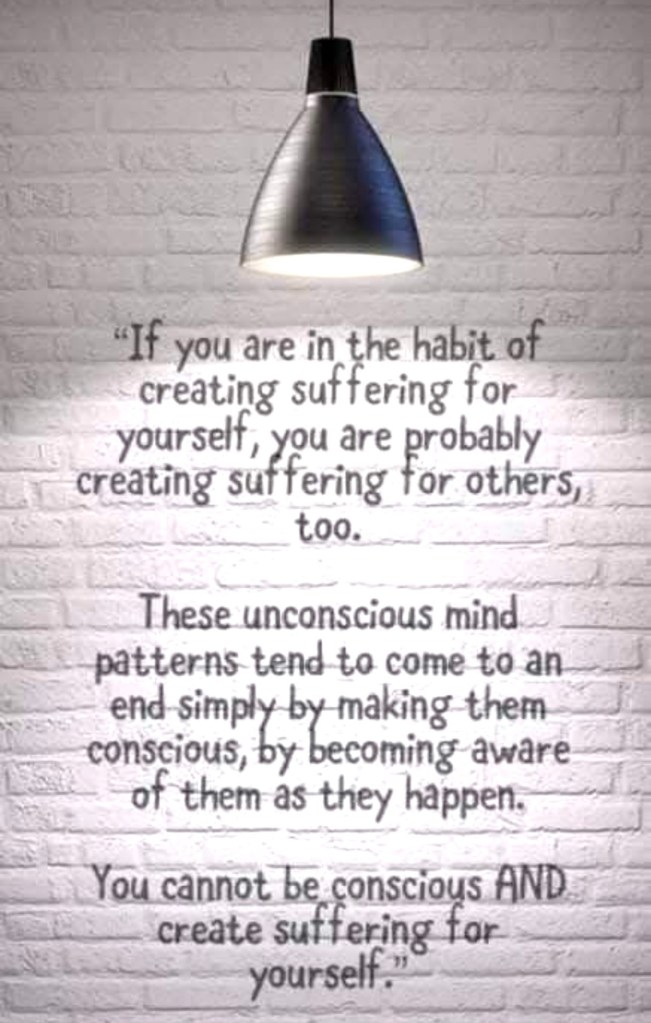
Responsibility = the ability to respond with reason. When we take responsibility for how we respond to the world around us, we empower ourselves to live from a place of greater wisdom and self-creation. You are not a victim to any circumstance in your life. Not your financial situation, your relationships, your employment, your health, the current political situation or anything else you can dream up – but sometimes, we need a little reminder and help to override our anxiety and overwhelm and get back to coherence and alignment with who we truly are.
I like to follow a “4-R” rule when I am beginning to feel overwhelmed or anxious about things beyond my control:
1. Reset. I do a quick breathing exercise to reset my parasympathetic nervous system. One long breath in, followed by a short breath to completely fill my lungs and diaphragm. I hold for a slow count of four followed by a slow exhale; usually with a count to eight. Repeat two more times. This combination of nervous system override and mindfulness on the count takes us back to our baseline of centeredness and calm.
2. Reflect. Is there anything I can do right now to change my circumstance? If yes, forward to #4: I take action. If no, let it go. Another important question to ask is this: If I knew the situation would not change in my near future, what would I need to do to find a sense of safety and peace within the space of my current reality? Is there a way I can find greater compassion/empathy/understanding/kindness for the person/people or situation? Do I need to give myself more of the same to be at peace?
This leads right into the third “R” –
3. Reframe. Is there a lesson within this difficult situation that can help me grow? What is the good I can find in this situation? How can I be grateful for some aspect of my current circumstance? There are many studies on how powerfully learning to reframe our lives can increase the quality of our lives and overall level of happiness.
And finally, back to the most empowering thing we can do for ourselves and our lives:
4. Responsibility. What action can I take to make a positive impact on my situation and life? We don’t need to take big action – small, daily changes can have huge long-term impact. Maybe it’s better self-care, or doing something that helps others. A daily meditation and/or gratitude practice, even five minutes when you wake and before bed, can be life-changing. Sometimes we need to find greater grace and forgiveness for ourselves or others – I’d highly recommend checking out my earlier post on Ho’oponopono; the Hawaiian practice of forgiveness. It’s a gorgeous way to let go of past hurts and heal. Believe me, it works. 🥰
If you are struggling with all that seems wrong in the world today, I feel this deeply, too. But though things may seem bleak, life is still just as wonderful as ever, if you can just look away from the train wreck that is happening in certain arenas of life to notice the beauty beyond the distraction. You may not be able to alter the course of history, but you have authority and power over how you view, create, and live your own life. I hope the “4-R” technique I developed to keep me in my own place of authority and calm may help a little in your own remembrance of who you are and your ability to shape a life according to what brings you joy.
F#ck the fear and disempowerment that seems to be being taught in the media and political world, In dysfunctional relationships and those that still live from a place of fear or devaluation. 😤. You deserve so much better. Believe it.✨
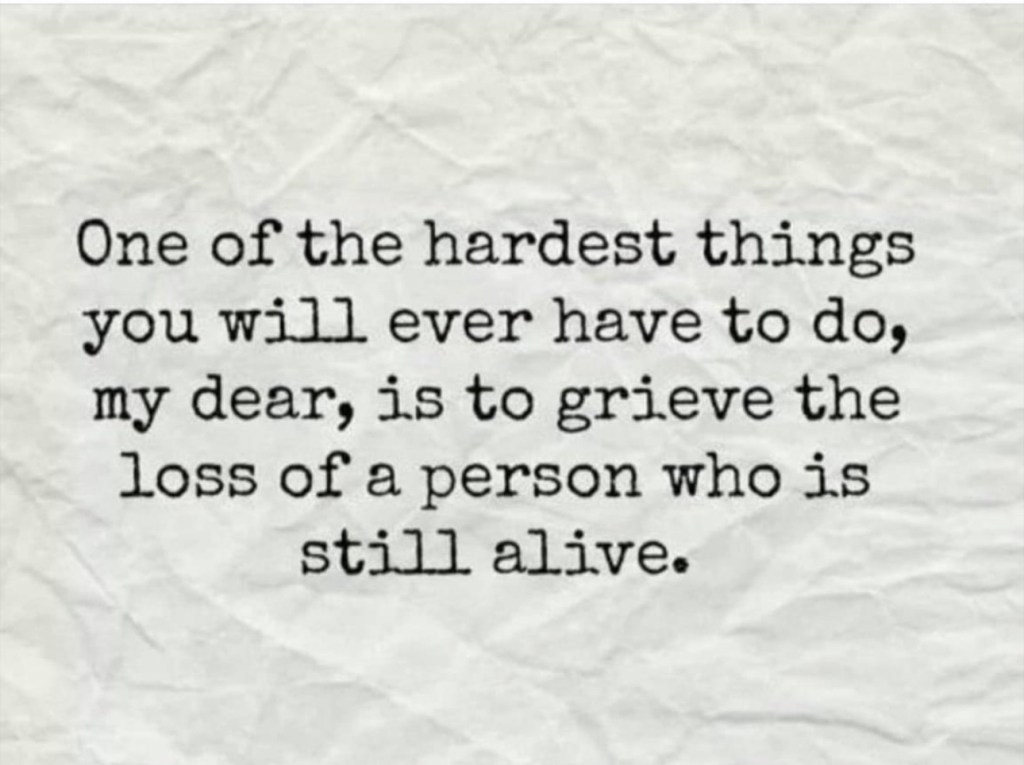
Grief can be such a hard thing to get past. I understand this implicitly, from the loss of close family members and friends, beloved pets, divorce, and the heartbreak of losing someone I was deeply in love with.
It is vitally important that we honor our feelings when life brings us these painful experiences, but it is equally important that we learn to heal from that heartbreak rather than allowing it to consume our lives.
It has been shown that an estimated 40% of people who experience the emotional event of heartbreak also suffer clinical heartbreak. The physical organ of the heart is damaged as a result of the psychological trauma.
As if that is not enough, grief temporarily lowers our IQ levels; lessening our ability to navigate the challenges of life. When we are in a state of grief, our innate programming tends to shift our neurological processes to focus upon the person, event, or circumstance that caused the trauma to begin with; the experience of grief acts on the same neurological network as the motivation network. This means we feel an incentive to “fix” the “problem” of the loss of our loved one.
This is compounded by the fact that when it comes to relationships, the withdrawal of or from love catalyzes the same chemical processes as addicts withdrawing from Heroin. The hanging on, or inability to let go of the grief we are experiencing, is the methadone in the addictive process. If we are going to completely break the addictive cycle, we have to realize that we can not trust our hearts if we are hanging on to an idea of reconciliation. Our minds will feed on that hope and create stories to perpetuate the idea that the fairy tale will have a happy ending, idealizing and romaticizing our partner’s wonderful traits. We will spin all sorts of scenarios and stories that create a positive outcome. This is called “Limerence”.
But in order to heal and move on, we have to accept our loss. Let go of those stories, fantasies, hopes, and also, the pain that we guard so closely to our hearts. When we let go, we can move forward to a happier future.
Easier said than done, right?
As you may gather from the below poem, I experienced this at one time, too. I fell deeply in love with someone; harder than I had ever fallen. I had not experienced the level of emotional connection and vulnerability with another human as I had with him. I didn’t even have a framework to understand that intense of a connection.
When the relationship ended, I wasn’t just heartbroken, I was eviscerated. I had been through heartbreak before, but not like this; probably compounded by several years of really terrible loss in other areas of my life. The grief I experienced became a feedback loop, trying to convince me that he was in love with me, that he wanted to be in a relationship with me – in spite of every piece of contrary evidence. Being a logic-minded person, even this “loop” f#cked me up in a major way. I would have arguments with myself that looked something like this:
“You have to stop this. He is not in love with you. He has no desire to be with you. He isn’t going to write. Or Text. Or call. He’s not thinking about you. There is absolutely no physical evidence of anything else being true. The “connection” you think you still feel is created; likely a result of unresolved childhood trauma pertaining to your father and stepfather. Can we please just let this go now?
(Limerence). “ I don’t believe that. How could two people have shared what we did and it not be love? It doesn’t make sense that I would still feel this level of connection to him if he wasn’t also missing me. It’s quantum entanglement! I have faith that everything is working out. We just have to be patient and wait for the right timing.”
Cue the eye rolling from my logical mind. You can see the Limerence in action, right? The separation of the two parts of my mind was absolutely terrible. Honestly, there are still moments when that voice pops up to say “what if?”, but I’ve gotten better at using some of the tools that can help us to heal from any type of grief or heartbreak. Here are a few that may help with your own process:
Don’t deny the heartbreak. Spend some time honoring your grief. It’s important to say “I see you” to those parts of yourself that are hurting.
Self-care for the win. When it feels especially difficult, give yourself extra love and care in the way that feels best for you.
After you have moved through the natural states of grieving and are ready to move on, practice “This, not That”. In hypnotherapy, we use it as a form of re-coding neurological circuits that may not be serving us well. If you lost someone close such as a dear friend or family member, each time you feel sad, thinking about what you have lost, replace that thought with a happy memory of time you spent together. Feel the joy of that moment. If it is a lost love, substitute the thought of something or someone else that brings you pleasure.
Identify the voids in your life that the grief or heartbreak left, and fill those voids with other things. For example, if you lost someone you loved and were close to, spend time with others you are close with to fill that empty space of loneliness or disconnection you may be experiencing.
If you are experiencing Limmerance pertaining to heartbreak or the loss of a relationship, write a list of all of the reasons it was not healthy to begin with. Write the outcome that you may be hoping for and the evidence that it is not real. Keep this list somewhere close as a visual reminder and way of re-coding the loop that creates those expectations.
Create a more compelling future. Another Hypnotherapy technique is called “Future Pacing”. When you are in a relaxed state, envision in your mind a future a year out that feels amazing. A future that you would like to see for yourself – that does not include the person you are grieving. When you can clearly see where you are, and what you are doing, and feel yourself in that place, “see” yourself three months back, then six months, then nine months, then back to your “present” self. What are the steps you needed to take to get to that place in a year? Write it down and try to follow that timeline in real time. Practicing this visualization before bed and when you first wake (Your mind is in a theta/highly suggestible state) can help train your brain to create this reality, too.
Take time for awe and wonder. Whatever this may look like to you, taking time to tap into these states of appreciation and gratitude for beauty can powerfully heal the mind and body.
Spend time with good people. It can be too easy to isolate. Build a support system. Find community that feels good.
Once upon a time, there were two sisters. Their names were Joy and Sorrow. Together they lived in a beautiful heart-shaped home, full of color and magic. Joy was the entertainer, loving to host lavish parties, spending time with family and friends, going on grand adventures around the world. For many years, Sorrow was more of a solitary sort; content to be the homebody, preferring to be working quietly in the garden or curled up on a comfy couch with a good book. Naturally, tragedies were her favorite.
Joy was outgoing and ebullient, curious, childlike, and a hopeless romantic and flirt. She loved to learn, to teach, to play, and to sing. She loved to meet new people and spend time with her friends and family. Romantic relationships were easy for her, but though she found a few long-term partnerships, she rarely held anything too tightly. When something was ready to end, she accepted it, and the lessons she learned from these relationships, gracefully.
They lived most of their lives in this way, Joy almost always at the forefront to welcome anyone who cared to visit, keeping the home a place of magic and happiness. But in their early adulthood, there came a time when their grandmothers died. Their grandmothers and an aunt were the only truly nurturing family the sisters had, and Joy did not know how to accept this devastating loss. For nearly a year, Joy all but disappeared into Sorrows’ comforting arms.
Over the years, the sisters would encounter other losses and occasionally, cousins such as grief, anger and resentment would show up on their doorstep, wishing to be entertained. Joy learned that the key to happiness when these visitors came was to allow Sorrow to handle these encounters; she was far more adept at managing difficult relatives. When these relatives went back to their homes, having been honored as was necessary, Joy was able to come back into the fullness of herself and her home, having grand adventures, learning voraciously, flirting outrageously, and entertaining with ease, even through difficult times.
All the while, Life watched from a distance, sending these unwanted relatives and experiences to the sisters to help them to grow. One day, he decided that he wanted to truly challenge the sisters. So he began to take people from their life that they loved deeply. He first took their aunt, who had been the sister’s surrogate mother for much of their lives. Next was the youngest of their two brothers, then their beloved pet, and finally, one of joy’s best friends. Through all of these trials, Joy held her space, allowing Sorrow to fill the home with her presence, even inviting Grief to stay for brief periods, but always found herself again with relative ease. Life saw this, frowning, as he thought it impossible for her to continue to shine so brightly, even as tragedy after tragedy struck. So he caused floods that destroyed parts of her property, took her favorite pets, some of her best friends, and even her career. She and sorrow walked hand in hand through it all, yet somehow she continued to live up to her name.
Life had nearly given up on his quest to challenge the sisters. He turned his back, intending to find other, more interesting experiences he could bring to people; but a realization struck him. There was only one thing the sisters had not experienced. True love. Romantic love. A soulmate.
You see, Sorrow had never been especially interested in relationships, and Joy held everything so lightly that, though she loved many people deeply, she didn’t really know that there was a deeper love that could happen between two unrelated people. She didn’t know that it was possible not just to love someone, but fall deeply in love with that person. Joy loved science. She loved to understand the mind, and knowing the structure and chemistry of the brain, the notion of a Soulmate did not fit into her understanding of the world.
And so he sent her perfect match; Love. The first time that they met, there was a clear chemistry and connection between them, inspiring her curiosity. They began to spend time together, developing a friendship as they learned about each other during long walks, longer cups of coffee and glasses of wine, having meaningful conversations about myriad subjects that sparked Joy’s mind and filled her heart. These encounters with Love evolved from a natural and easy friendship into something much deeper. Joy experienced a connection with him that was so profound that it shocked her. When they were together, her heart felt that it was Home. It was natural in a way that she had never experienced before. In a way that she did not know was possible. The way it felt to kiss him, to dance with him, to sing with him, and just to be fully together, hearts connected, caused her to fall so deeply in love that parts of her soul peeled away just to be closer to him; to stay connected to him even when they were apart. She knew that she wanted to share her heart-shaped home with Love. That she wanted to share a life with him.
But there were myriad complications to the relationship, and Love, as it turned out, had many other interests – and so they parted. Joy’s mind accepted this as the best course of action, but soon, her heart caught up to the break, and the shock of the loss was so great that she lost herself. She forgot her identity as Joy. Sorrow held her, hoping to provide comfort as Joy took to her bed, burying herself deep beneath her down comforters. Soon after, Grief came to stay, taking turns with Sorrow next to the mound of Joy-shaped blankets that refused to move, to eat, to sing, or even to breathe.
When it became apparent that Joy was no longer inhabiting her own body, Sorrow was forced to create a Joy-shaped mask, stepping into the role of her light-hearted sister, as well. It was Sorrow who pulled Joy, quiet and limp, along on parties, adventures, and even dates, hoping that some incredible experience would wake her sister up, but without Joy’s curiosity, interest and effervescence, the experiences felt empty.
It was Sorrow who spent time with friends and family, masquerading as Joy when her sister could not be found in her nest of comforters; And Grief felt that much heavier for her sister being so deeply buried. For over a year, Joy refused to inhabit more than the smallest space in the heart-shaped home. Eventually, Sorrow realized that she could not manage their life with just Grief to hold vigil, and their second cousin, Despair, came for a visit.
Despair was intense; a small, dark creature who never spoke above a whisper. Sorrow soon learned that she would need to lean in to hear whatever it was that Despair whispered, and it was then that Despair caught her, tied her to the bed next to Joy, and one by one, shuttered the windows that let the bright sunshine into their heart-shaped home. Next, she began to blow out the candles that had been keeping the last of the shadows at bay, and the sisters were plunged into Darkness.
For what felt like a lifetime, Sorrow lay in that darkness, hoping that Joy was still next to her, somewhere. She missed her sister, missed her life and vitality. She missed the sunshine that had filled their heart-shaped home, and in spite of everything, she missed Love. She thought that perhaps this was to be their life – a life of Despair, a life without Love.
But one day, a bright light shone beneath the door. The light moved around the home, casting shadows on the floor as it peeked between shutters, knocking softly, at first, but soon began shaking the doors and windows, light playing wildly over the crystal chandeliers, dusty furniture and floorboards. Despair shrank from the light, hiding in a far corner as the front door bursts open and Anger stood, backlit by the sun, frowning around the dark home. One by one, the shutters on the windows flew open and the energy from Anger’s rage and frustration caused the dust and other small objects to whirl around the space.
Despair fled the home in terror, and Anger burnt Sorrow’s bindings with one wrathful glance before striding over to where Joy still lay, deeply buried under thick feather ticks and woolen blankets. One by one, he began to pull the covers from her shrunken body until she lay exposed and shivering on the bed.
“Joy. How dare you abandon your home; your sacred temple. Sorrow was never meant to be your caregiver; only your companion. Just look at what your absence has wrought.” Joy slowly sat upright, gazing around the dirty, dusty, dark home, and then over at Sorrow, still sitting on the bed next to her, wrists and ankles red and burned. She pressed her lips tightly together, energy beginning to spark in her stomach before bringing her focus up to Anger.
“Anger. I do feel unhappy about the state of my home and my sister, but how could I possibly care for anything when the choices I have made have left me empty, in despair and guilt, and all for naught – I am still bereft of one of the most beautiful experiences of my life? Love, in spite of all that I thought was between us, did not choose me. “. She looked down at her lap, wishing to crawl back into the safety of her nest, but she sniffed and glanced at her sister from the corner of her eyes. “Sorrow is better suited to this reality.” Anger glared and folded his arms over his chest, clearly frustrated.
“Do not confuse one bad experience for reality. Love did not truly care for you. He did not value you. He did not give you his Heart, his communication, or even more than a tiny portion of his time. Love was fickle with his feelings. How could anyone who loves Joy reject her? I have a few choice words I’d like to share with him, if you would allow it.” Sorrow scooted closer to Joy, wrapping her arms around her.
“Do not listen to Anger. Love was a product of his environment, just like everyone. He cared for you, but his choices had to be his own. We both know that. Being angry with him is natural, just as is being sad, because we lost something that felt so valuable.” She turned to Anger. “Anger, thank you. Your rage over the pain this caused was what saved us from Despair, but you cannot stay here, and you certainly may not share your opinions with Love. I’ll have a word with Temperance about future conversations, but for now, you should probably leave us to find our equilibrium.” Anger rolled his eyes but bowed deeply and stepped out of the room. Sorrow sat back, taking Joy’s hands in hers and looked deeply into her sister’s eyes.
“Joy, we have to live this life together. I don’t like wearing a Joy-shaped mask. As you know, I don’t care for parties, and adventure just isn’t fun by myself. I can’t shoulder the burden of this life without you, so we have to figure out a way to share our heart-shaped home. I’ll still handle the difficult experiences and relatives, if you can deal with all of the other stuff that you are way better at than I. Please?” Joy gave Sorrow a small, sad smile.
“I can try, but Sorrow, my heart feels so much more empty than it did before I knew Love. I had always been happy but with him, somehow I felt even more. I felt complete. The epitome of my name. How can I be Joy if I feel this emptiness? If I feel that I might never experience that again?” Her eyes welled with tears, and Sorrow’s heart felt so very heavy that her beautiful sister had to feel such pain. She pulled her hands gently from Joy, hoping that the lack of contact might ease her sadness a little. Joy did seem to lighten, a little, and Sorrow felt a little lighter, herself.
“Well, remember neuroscience 101 – “Mood follows action.”…why don’t we start with finding things to fill that emptiness? Things that you love, like cooking good food, going on adventures, taking long walks with the dogs, spending time in nature and with people that we love?” Maybe we could even start writing and painting, again?” Joy gave her sister a genuine smile; the first in a long, long time.
“Why don’t we start with a walk?” And so the sisters took a walk in the rain, hand in hand. Life watched all of this, feeling pleased with himself and the sisters for learning from the painful experience, but also a little guilty for sending such a difficult lesson to the sisters. As they walked, he willed the skies to begin to clear and sent a rainbow so vibrant that Joy and Sorrow both stopped and stared in awe.
Joy’s healing was not an overnight process. There were still days when she refused to get out of bed, and Sorrow would find herself weeping over a sink of dishes, or on an outcropping overlooking the ocean when Joy suddenly took her absence, though she had been there only a moment before. But each day, Joy would spend some time with her sister, listening to music, though she still could not sing, being in the moment, usually barefoot in nature, hugging a tree, or watching the wildlife that always seemed to be comfortable in their presence. Even when she was fully present, Sorrow observed that her sister was softer. The Joy that she had known was a little quieter. Less balls-to-the-walls and more observant. Sorrow wasn’t sure if this was a permanent aspect of her sister’s new personality or just part of the process, but she accepted it as it was.
One evening, after returning from a long walk with their canine companions, they were discussing how they would spend the rest of their night; reading a good book (not a tragedy) or re-watching “Bridgerton”. Joy seemed undecided, looking towards their studio space before finally suggesting that they take out their paints again. Sorrow gave her sister a hug, grabbed some pots of water and sat down to watch. Joy raised one eyebrow.
“Don’t you want to join me? I thought the last painting we created together using a palette knife was pretty interesting.” Sorrow shook her head, remembering the painting they had been working on months ago; a representation of dead hope that she had put more of herself into than Joy.
“No, I’m not really feeling it tonight. I might step in occasionally, but I’ll let you take this one. What are you thinking about creating?” Joy smiled widely, picking up the phone and selecting “St. Finnikin” from their playlists. As the music began, she stepped to the canvas and raised her charcoal, beginning to form shapes in wide, looping arcs.
“I’ve got a vision of a Rockstar Angel in my head that needs to come to life.” Sorrow sipped her tea, inhaling the aroma of rose and mint deeply, enjoying the feel of the moment. She knew that finally, Joy was going to be ok. Maybe even better than okay, judging by the content of the painting that was rapidly taking shape, bright pinks and deep, jeweled greens splashing across the canvas. She stood up, stretching her tight back a bit.
“I think I might crawl into bed with a book, if you’re all good? There’s a Poe or Shakespeare that I think I’d like to dive into, but just give me a shout if you need me.” Joy glanced back at her sister with a brilliant smile before turning back to the canvas, focus intent.
“All good here! Enjoy your tragedy, sister. “
Sorrow turned and walked back to her bedroom, crawling into bed with a deep sigh of relief. She hoped that she and Joy would never go through an experience like that, ever again. If Love ever decided to come back into their life, she was going to meet him at the door and have a serious heart-to-heart about caring for and protecting her precious sister. If he could not agree to valuing them both, she would slam the door on his face, but not before giving him a black eye or two for good measure. It would seem, she mused as she opened the book on her lap, that perhaps a little bit of anger had rubbed off on her…but the thought was gone as quickly as it had come as she allowed herself to become absorbed into the story before her; “King Lear”. She did love a good tragedy…
Did you know…that Grief and motivation run on the same neural circuitry pathways? When we lose someone, something, or an idea that is deeply important to us, our mind wants to solve the “problem” of regaining what it is that is lost. In the allegory, Joy loses her « soulmate », but the pain of grief can be from so many different types of losses.
The inability to regain the person, thing, or idea is what causes our feelings of loss and sadness. Dr. Andrew Huberman, neuroscientist extraordinaire, describes this phenomena aptly – “It’s like standing outside of a stone castle. The thing you want is inside the castle, but you can not get past the gate, no matter how badly you want it.” Eventually, you wander off to find another castle, but as you stand outside, you go through the stages of grief –
Denial: I can get into the castle
Anger: Let me into the castle!!
I hate trite phrases like “This too shall pass”, though eventually, our hearts and minds really do heal, at least largely. I believe that grief, like most experiences in life, are like packages that we carry with us. When a major heartbreak or tragedy happens, that package may feel unbearable in its weight. But time passes, and it gets lighter and lighter until eventually, we forget it is even there, until something happens to remind us. We may feel sad again, for a spell, but even then, that pain is lighter. Easier, and we get back to enjoying the beauty of life much more quickly. I hope this happens for you, sooner rather than later. You deserve to be happy, my friend. Believe it. ✨
Bargaining: Please let me in. I have cookies!
Depression: I’m never going to get in. I might as well just lay here in misery.
Acceptance: This person/thing/idea is gone. I will likely always feel sadness about this, but I can find a way to live my life and maybe even be happy again.
These stages don’t necessarily happen in exact order, all of the time. We are unique individuals and the way we see and experience is also unique. But the gist is there. In order to come to a place of healing and acceptance, we have to allow ourselves to experience each stage with love and grace, even when it feels hard. We can mitigate some of this pain by doing things that we enjoy, spending time with good people, listening to feel-good music, talking out our feelings, and spending time in nature. Mood really does follow action, when it comes to training our brain to feel good more often than not, and doing things that help us to feel better increases our vibrational resonance, creating an uplifting cycle.
If you are still in one of the stages of your own grief, I feel you. Truly. My heart feels your pain, and I am so very sorry that you are in the experience right now.
Let’s talk about relationships. Specifically, wanting to find a partner or companion to be in relationship with.
I love that we are living in a time when there is a tremendous amount of awareness around self-growth, healing past programs and patterns, and becoming fully authentic as individuals, rather than following a collective ideology or belief in who we “should” be. I teach and promote this in my writing, and help clients to achieve greater levels of happiness and self-satisfaction through various therapeutic approaches. I believe to “know thyself” is the most important creed that we can live by.
More specifically, perhaps that should be a three-part creed –
Know Thyself; know who you are.
Love Thyself; love and accept the beautiful, flawed, growing person that you are.
Be Thyself; be authentic; in integrity with who you are.
But I’ve noticed that in our desire to grow and evolve, we sometimes have a tendency to take things to an extreme – we have developed this idea that we need to be “perfect”, especially when it comes to finding and maintaining relationships. We are being taught that in order to attract the right partner, we have to exemplify all the things that we want to find in our mate – attractiveness, intelligence, kindness, abundance, good health, compassion, and most importantly, our level of happiness. In short, we need to be perfect.
I do believe that if we are committed to growth and authenticity, our baseline level of happiness is going to be a whole lot higher than someone who is stuck or stagnant; living a half-life. But if we are aware, life, hopefully, is evolution rather than perfection.
If we are in a state of evolution, we are never going to be perfectly healed. Self awareness is a process of uncovering many, many layers of subconscious mindsets and belief systems. It’s often when we think we have ourselves figured out that those systems rebel and we may feel like we take a backwards step. But two steps forward and one back is still forward movement.
We are never going to be in perfect shape, all the time. We all have seasons when we might fall off the wagon of good health and exercise for a little while. That’s OK, as long as we eventually get back to caring for our temples as being the incredible vehicles of transportation through this life that they are. If we don’t have good health, our ability to experience all that life has to offer will be limited.
We will never be perfectly compassionate, loving, and kind – all of the time. Like happiness, there can be contributing factors in our ability to be fully present and compassionate with others – Grief over the loss of a loved one, being in a season of necessary introspection, dealing with the myriad challenges and distractions of life, or just because we forgot to eat breakfast and are a little “hangry”. But going back to self-love and healing, if we are in a space of self-acceptance and compassion to ourselves, we are most typically going to be in that space for others, too.
We are never going to be perfectly happy, all the time.
There are so many factors that contribute or distract us from our happiness, but when we can come to a place of loving and accepting ourselves as being beautiful, messy, growing creatures, we can be happy enough to find a partner who is the same.
We can find someone who will be real with us; who will accept, love, and have grace for who we are at any given moment, knowing that sometimes humans are messy, challenging, and even difficult. We can be accepted as we are because we are also beautiful, kind, loving, and growing. We can give our partner the same grace, compassion and understanding, holding space for their own evolutionary process, even when it’s a little messy or uncomfortable.
When you meet that person – a person – one of your soulmates; let the connection/relationship be what it is. It may be five minutes, five hours, five days, five months, five years, or a lifetime. Let it manifest itself the way it was meant to – it has an organic destiny. This way, if it stays or it leaves, you will be softer. From having been loved this authentically, souls come into, and return open. They may sweep through your life for a myriad of reasons. Let them be who and what they are meant to be. – Nayyirah Waheed
In fact, I believe it is vital for us to have healthy relationships to fully grow and heal. When we are authentic and vulnerable with our partner, we can provide for each other the necessary mirror to better see those blind spots in our personality that we may not be aware of.
This doesn’t mean we should accept bad treatment in a relationship, of course. If someone does not match you in treating them with value, respect, and dignity, and is not willing to do the work to heal the core wounds that cause that behavior, we need to take a big step back for our own mental wellness and safety. It is never our responsibility to heal someone, but in a good relationship that is committed to growth, healing can absolutely happen, together. It is important for our own self-worth that we have discernment as to what we are attracting and accepting.
But if you are in the space of “I have to be perfect”… to attract the perfect partner… maybe give yourself – and your future mate – a little more wiggle room. Perfection doesn’t exist. Hold a little more lightness and space around the idea of who you are, and who you need to be to be in a relationship. Bring some fun and some joy into the many possibilities that are out there. You will find that when you create the energetic space of ease, of lightness and of joy around any idea, you also create space for what it is that you need and desire to rush in.✨
I recently watched a YouTube video by relationship guru #JimmyKnowles from “Jimmy on Relationships” on the topic of “green flags” in people. In the video, he gave what I felt was an incredibly insightful metaphor on focusing on people with positive traits rather than searching for the negative. He gave a great metaphor to explain this, pertaining to “Currency Discriminators”. Currency Discriminators are counterfeit money experts. Apparently, they rarely spend much time looking at counterfeit bills. Instead, they spend most of their time becoming so familiar with authentic currency that anything that is fake or false jumps out at them. They learn what real looks like so they can easily spot a fake.
Interesting, right? And so apt for this particular subject.
Looking for red lights in others seems to be pervasive in our current culture. Anyone who spends time on social media or watching the news has heard of “toxic” or narcissistic behavior. There are hundreds or thousands of podcasts, videos and memes that teach us what to look for in order to spot a narcissist or a toxic person.
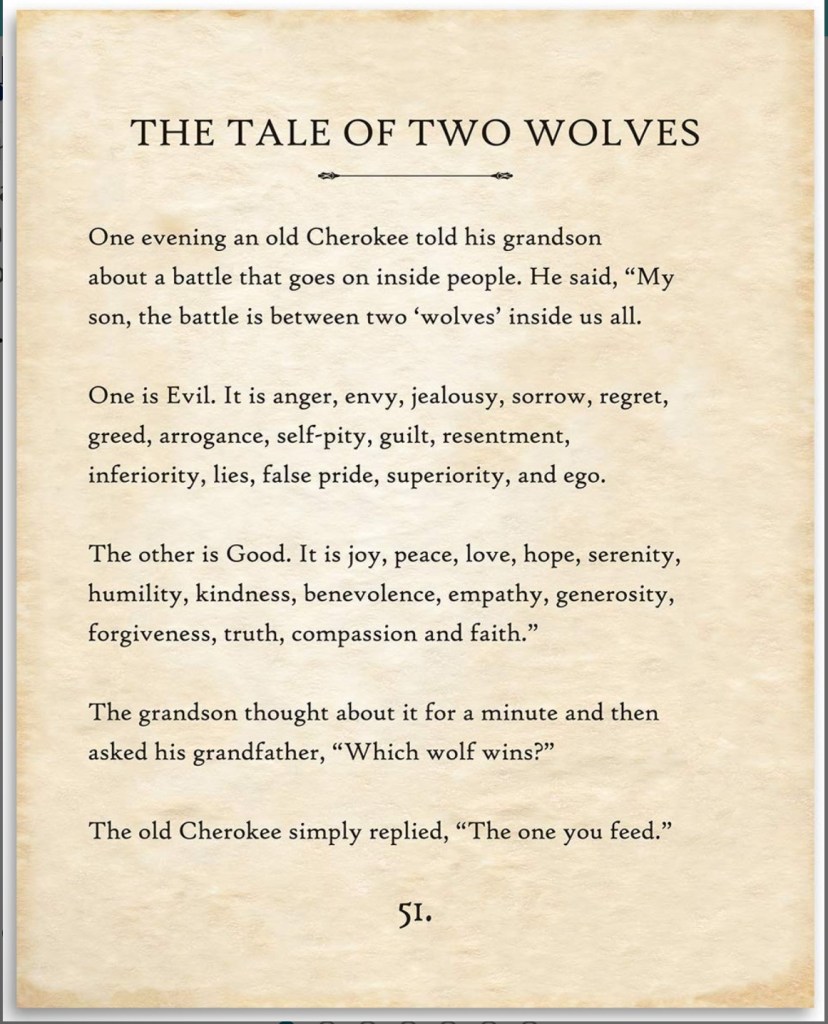
The problem is, if we are focusing on or dwelling on the darkness in others, it is impossible for us to be fully in the light, ourselves. But, if instead of spending so much of our energetic currency looking for red flags in people, we put more focus on looking for and celebrating good people and the beauty and wonder of life in general, the toxic bullsh#t might just fade into the background. Like feeding the good wolf rather than the evil one, the good that we feed will prevail.
Where focus goes, energy flows…What we are, we attract. We are the problem, and the solution.
When we view the world (and ourselves) through the lens of love, the world begins to look back at us in the same way. Focusing on the positive traits in ourselves and others brings more positive into our own lives.
Here are some “Green Lights” to look for in those that we might be considering deepening relationships with. When we get good at spotting authentic currency, it makes it easier to see and avoid the false and the unhealthy.
Honesty – They are honest in their word and deed. Their actions reflect their words. They have integrity between who they say they are and what they believe – and how they behave. Lying is a red flag for serious underlying issues, and a commitment to honesty is the best indicator for future success in relationships. If you can’t trust your partner everything else is pointless – or just won’t be there.
Kindness – You feel safe around them. You can be vulnerable with each other. They make you feel prioritized. They are consistent. You should never be confused about where you stand in relationships. If they hold you in value, they will put in the effort – we prioritize what we value.
Communication – They communicate openly and honestly. You can have hard conversations without them shutting down, running away or becoming hostile. They can communicate their own discomfort with openness and vulnerability.
Humor/sense of fun – They are able to hold life lightly. They don’t take themselves or life too seriously. They can joke and be silly without being rude. Having a sense of humor is a huge green flag.
Open mindedness – They are flexible. They are willing to approach the unfamiliar and can allow someone to hold a different view or perspective without dismissing or invalidating them.
Accountability – They have a “repair and rebuild” mentality. They are able to acknowledge and apologize for their words or actions. They say “I’m sorry” and genuinely mean it, even if they did not intend to cause pain or unhappiness.
Empathy – They understand others’ pain. They are curious about what makes others feel or what they think. Empathy helps us to feel safe and loved.
Vulnerability – They connect with themselves and others. They can communicate how they feel openly and honestly.
Praise – They celebrate others’ wins. They can praise others without feeling shame, themselves.
Growth mindset – They are self-aware. They have an attitude of gratitude. They are curious about life and have an interest in learning about how to grow and evolve. If we do not understand our own destructive or sabotaging patterns, we can neither grow or have compassion for others. This is not about perfection, but a continued expansion into the best version of ourselves.
They see everyone as equal. They treat others with value and care, understanding that our differences are our strengths, and our value lies in what makes us individually who we are. Teamwork makes the dream work!
They have healthy relationships with others. They hold healthy relationships with friends, co-workers and family. They are able to openly display affection and care for those they spend time with. They get along with a diverse group of people.
No one on the planet is “perfect”, of course. But when we seek out and focus on the good in others – and ourselves – we are creating a better world for everyone. We teach our children and others to see the good to learn to better be the good that we wish to create in the world.
What positive traits do you look for and celebrate in others?
It is estimated that just over half the world believes in reincarnation. Buddhists, Hindus, Sikhs, and Jainists all believe that our souls are eternal and keep incarnating in new bodies after we shed the previous skin of a lifetime. In fact, up to 25% of Christians believe it, as well. I found it interesting to learn that many philosophers, such as Pythagoras, Plato, and Socrates, also believed in the continued rebirth of the soul.
From a quantum physics standpoint, energy cannot “die”, but must be transferred or transformed. A tree becomes a log that is put into a fire to become a flame, to become ash, to become earth, to once again become a tree…
In spite of my own very traditional Christian upbringing, I’ve had a few experiences that have led me to believe that I’ve been around the proverbial block a few times now, too. I like to think of each lifetime as a school. When we’re a young soul, we get to go to kindergarten and life is pretty easy. We don’t think terribly deeply, and we’re mostly here for a good time, even though we are still learning simple lessons.
As we progress through lifetimes/grade levels, things get a little harder, but I think that’s by choice. That maybe before we are born, we choose the classes that we are going to take to best help us grow; to evolve and become Creators in our own right. By the time we’re in “university”, many of us are choosing some really f#cking hard life lessons so that we can achieve exponential growth.
I don’t know that we all pass every class that we take. Sometimes, we get stuck in victim mentality, or we get drawn into materialism, or those hard lessons cause us to become embittered rather than more compassionate. Sometimes when we are given the opportunity for growth we allow fear to rule us and we stay stuck rather than advancing.
Eventually, we shed our mortal coil and we get to go again, perhaps with some encoded memory that we’ve been here before, and hopefully do it a little better next time.
But over the past couple of years, I’ve started to think that maybe I should be a little more global in my belief system when it comes to reincarnation. I’m not so sure that it always has to mean that we literally die, go to some other place for reassignment and then come back as another person.
I think maybe we also reincarnate many times, in one lifetime. The death may be more metaphoric than literal, but we’ve all been through many experiences where we felt like some part of us died, as with the death of or separation from someone or something (such as a career) we love, or perhaps it is the “death” of some aspect of our identity or ego that we have carried from childhood. In fact, it is said that when someone consider suicide, it is not the whole self that wants to die, but rather some aspect of the ego that long ago stopped serving us.
When we go through these “little deaths”, we may feel that we are in purgatory for a time, and it can be months, or even years before we begin to crawl out of the protective cocoon we have built for ourselves, to learn to fly again. To be reborn, each time a little – or a lot – of a different person.
I’ve had a number of such experiences throughout my life; usually following some really frickin’ hard lessons. I have been through some of these over the past three years or so, but recently found myself in a situation that caused acute emotional pain; asking the question – “WTAF Universe (Unified Field/Source/God/Jah/whatever works for you); this totally sucks. Why am I getting this lesson AGAIN?
To be immediately followed with “oh.”
Because I didn’t learn the first time. If we fail a test in a particular class in school, if we are lucky and our instructor/teacher/professor takes mercy on us, we can re-take that test. I believe the Universe is infinitely merciful and so we get to take the test over. And sometimes, over, and over…and hopefully, eventually we figure it out. We have our “oh” or “aha” moment.
So the question, when we find ourselves in the same lesson, must be: “What did I need to learn here?” Sometimes, with those BIG lessons, it takes a bit of deep work to figure it out. We have to look at and work through the source of the thought processes that are creating or drawing to us these challenging experiences. But as soon as we realize what the lesson was all along, there is this amazing feeling of “aha”, and a knowledge that we just moved up a level. We shed the heaviness that was connected to what we were holding, and remember that we have wings again. We re-incarnate, lighter, happier, and excited for the future.
Of course, there will always be many other lessons to learn, but that particular class is passed, and past.
What’s especially exciting about the idea of multiple reincarnations within each lifetime; whether they are related to relationships, lack/poverty thinking, victim mentality, low self-value/self love or any other issue or program that has been carried from a flawed or traumatic childhood, is that just like being born into a new body with a new family, many of the old, unhealthy habits and people that were an aspect of that life and vibrational resonance drop away and healthier, happier habits and communities are formed.
We learn to set healthy boundaries and care for ourselves better. New opportunities show up. We become more deliberate in the creation of our personal reality. As an additional bonus, being a little further along the path enables us to guide and help others create a happier reality for themselves, too. We are ripples on a pond, contributing in our own way to the evolution of humanity.
How cool is that?😎
Have you had this experience? Have you felt like you have lived many lives in this lifetime? I’d love to see your stories!