Soren Kierkegaard wrote "Once you label me you negate me". We are amazing, complex beings. I do not believe in absolutes, and I definitely don't believe that what we do is the absolute of Who we are. That being said, some of the ingredients that make me the Who that I am: I am a mom of two amazing kids and a number of pets, a rolling stone/traveler, a writer, artist, a yogini/yoga teacher, transformative wellness teacher, 6th degree BB Karate/martial arts instructor, Thai massage therapist/Intuitive Healer. I love helping others to find their happy place, and perhaps most importantly, I am a conscious creator of my reality - and hope that maybe through some of the wisdom and experience I share, you will learn to be, too.✨
Let’s start this conversation. Growth is f#cking hard. Painful, in ways.
It can be depressing and overwhelming, initially.
It may lead to rainbows and unicorns, but know this to be true – we often have to leave the familiar, the Known, and even those people and places that we still love in order to find our path towards peace and freedom.
That path isn’t easy, either. I read recently that it is estimated that only 2% of the population choose growth. This is largely because our primitive brain has not evolved to understand the positive aspects of growth.
The primitive, or downstairs brain (limbic region and amygdala) has not really evolved in thousands of years, and keeps us “safe” from anything that could potentially be harmful. To the amydala, the unfamiliar is unsafe. The primitive brain tells us to stick to the familiar. The safe. It tells us that we should stay in the cave, and tries to override change by creating neurochemicals that make us feel deeply uncomfortable and even fearful of anything that seems unfamiliar.
It is understandable to want to stay in a place of perceived safety, even if that safety makes us deeply unhappy.
Because sometimes, the path to peace downright sucks. Before we can find joy, the path winds through dark forests and up steep mountains. There will be times when we feel lost. There will be times that we feel we are in darkness, and all that we can see is the step directly in front of us.
We will have to confront those dark parts of ourselves – the skeletons in our closets and monsters under the bed – past trauma, dysfunctional patterns and programs – that we may have avoided our entire lives before. We may endure times of aloneness and even loneliness as we make our way on our very individual path.
We will lose people along the way; those that can not accept the new version of ourselves; or just can’t make the journey.
It’s hard, and sad, even heartbreaking, sometimes.
But we also gain new friends and family that more accurately reflect the reality that we consciously choose to live, rather than one that was chosen for us. Our vibe finds our tribe.🥰
Most importantly, we gain peace in knowing that we have chosen our own path.
Time to fly, babe…
Eventually, that decision will become the best decision we have ever made for ourselves. Our journey through those dark paths leads to bright sunshine and warm seashores. The dense woods become charming paths leading through bright glades and mirror-still pools as our mind’s new programs learn to create new realities.
Even in this upgraded reality, there will still be days that clouds move across the path and feel hard or sad. We may mourn for that which we left behind.
But it is 💯 worth it. I can not overstate that enough.
It is worth every drop of discomfort, every leap into loneliness, every disconcerting, uncomfortable or downright scary experience with those lost parts of ourselves and the hard process of stripping away of old, outdated was of thinking and being.
It is worth the pain. The “fertilizer”, to live a life of freedom as a conscious creator rather than as a slave to the programs and patterns instilled upon us by our parents, caregivers, peers and societal expectations.
If you need evidence of this, look to any human who has begun to live by this new shift in paradigm. I challenge you to find one person who would go back to the Matrix of our own implanted b.s.
But it’s still f#king hard. 😖
Did you know that when a caterpillar creates its cocoon, it doesn’t just sprout wings and fly away – it completely dissolves into a black miasma within that cocoon before Re-forming as the beautiful symbol of transformation we all recognize and most of us love? Growth and evolution is much like this.🥶🦋
It may feel like we go through our own period of hibernation and re-forming as we spend more time in “being” and self-examination and less time in “doing”.
This is also a necessary part of the process. Just as the caterpillar must quietly dissolve in its cocoon to become something more, we also have to become still and go inside of ourselves in order to dismantle all those faulty and outgrown belief systems. It may feel like winter.
There was a study done in which scientists injected Redwood trees with a chemical similar to adrenaline in order to prevent the trees from hibernating over winter. Every single one of these normally long-living trees died within the year.
Humans have times when we must metaphorically hibernate, as well, if we are to grow into a new season of flowers and warmth.
Even having that big-picture understanding that the short term, hard changes will eventually lead to long-term happiness, the process is still hard. So it is important to acknowledge and honor the discomfort and sometimes even pain that happens when we start this journey towards peace.
If you are on this journey, I honor you. I acknowledge the pain you may be going through as those old egoic patterns begin to fall away. As you deconstruct.
If you need support or a shoulder on your journey, know that you are surrounded by love and there are others that will find you on the path.❤️. I am one of them, and am sending huge hugs, care and encouragement along the way.
It is strange to me how some people can be so physically beautiful but so very ugly inside.
example of exploitive excess…
Most days I try to “post and ghost” to my social media pages. It is wayyy too easy to get drawn into the rabbit hole and find myself lost in Wonderland for hours. That dopamine hit is real….but as a rule, my algorithms bring me to pages that are uplifting or educational. So I stay a little insulated from the ugliness of the social media world.
But today I got distracted by the photo on a particular story. It was unexpected and had a great 70’s artistic flair, so I clicked on it to see who the artist/originator was and an hour later shut my phone down, feeling heartsick and shaky.
The artist was a Hollywood personality. They were physically beautiful; high cheekbones (implants) full (filled) lips, wide, slightly slanted eyes and so, so thin.
But their profile, and every profile that I clicked on that was connected, was filled with pictures of excess, nudity, exploitation, meanness in the guise of “art” towards anyone who was “less than”, and that seemed to be everyone who didn’t come from money or was a member of the society elite, from the blue-collar worker to the very poor.
It made me incredibly sad to see such meanness from any human – and I know that the poor, blue collar, or middle class are just as capable of cruelty and pettiness as the bourgeoisie and do not in any way believe money is the “root of all evil”, but the extent and scope of this person’s (and the Hollywood elite they were connected to) and lack of empathy towards other humans struck me particularly.
“I want it now!”
I understand the psychology of cruelty.
A lack of compassion and empathy for others can almost always be traced back to low feelings of self-worth within oneself; likely programmed by parents or caregivers who didn’t know better, themselves. Too often our parents teach us the lessons of “greater than” and “less than”, because it was what was taught them. So from an early age, we try to puff ourselves up and make others smaller – because we feel empty and lacking inside.
I have experienced this in my own life on many different levels. My own (upper class) grandfather (mother’s father); himself an alcoholic and a deeply unhappy, abusive man, rejected me as a young child because my father was only “middle class” and therefore from the wrong side of the tracks. Thankfully, my grandmother was not quite so snobbish and loved me unconditionally.
Ironically, as he lay dying after months of terrible pain from prostate cancer, he took my hand and said “Terah, be good.” I think I was only 11 or 12 years old at the time, but I could feel the regret and despair in his emotions, and knew that what he was saying was “do better than I did”. I am not sure that I inherited whatever gene it may be that gives one the predisposition to be cruel, but the lesson definitely stuck and likely influenced my future behaviors and actions.
Ultimately, cruelty and meanness is ugly, petty, and small. Though superficially, it may make us feel bigger to be “better than”, or feel as though by cutting down or diminishing others we make ourselves more grandiose, but ultimately, this superficial largess is subtractive to our spirit and the deeper self. It is a well that just keeps getting deeper. It disconnects us from others, from nature, from Source, and reality itself.
Conversely, when we tap into our kindness, our courage, our wisdom and love, we are connecting to that deeper aspect of ourselves – our Divine nature, our Sacred Self; our Spirit that is connected to All That Is. We are all cells in a huge body, and no one cell is more important or valuable than another. The king is no more important than the peasant, the merchant no more than the homeless man on the street.
“How do we change the world? One random act of kindness at a time.” – Morgan Freeman
We all have a role to play in this life, but the question is, how are we choosing to play the game? Are we playing with kindness, fairness, and integrity, or are we the mean kid on the playground, pushing everyone else around and caring for no one but ourselves?
At the end of our time on this physical plane of reality, will we have a sense of the kindness we gave in the lovely shared with others, or will we regret the way we live our lives?
Kindness can come from the most unexpected places. And it doesn’t cost a thing.🥰
I don’t personally believe in the idea of hell, but I do believe that some part of us always knows if we are living well, or terrified of dying for what might come beyond. I believe our minds are capable of creating “hell” for ourselves without the need of a physical place of fire and brimstone; complete with little red men wearing tails and carrying pitchforks…🙄.
I know when my time comes, I want to know that I lived a life that felt meaningful. That I left the world a little better than when I arrived. That I helped others to love better, to live better, and perhaps to more deeply value the beauty that is this life.
What are your thoughts? I would love to read some other folks’ views on this.
To an emotionally unhealthy person, clear boundaries or a “no” is either a challenge or a personal affront.
To someone who is whole or on their healing journey, there is no possibility for affront. Choosing to listen to one’s own needs instead of people pleasing is a mark of self-respect and value.
We must nourish ourselves before we can feed others…
Babe. Grab a cuppa and a comfy chair because we are going to take a little dive into a number of subjects today that all tie together, eventually. But the overarching theme here – and this is so important – is this:
You have a right and a responsibility to protect your peace.
This may seem like a no-brainer to some, but it is a radical concept to others who might be accustomed to being the peacemaker in family and peer dynamics – rather than the peace holder.
Protecting your peace means it’s not only ok, but vital that we learn to set healthy boundaries for ourselves, our time, and our energetic resources. It is making sure we find time for self-care and learning what it is that makes us as individuals happy.
Because Goddess knows, it can be only too easy to lose ourselves in the interests and lives of our partners, peers, and parents. And of course, our children, if we have them.
“Until we are able to love and take care of ourselves, we cannot be much help to others.”
This doesn’t mean that we should not care for and share interests and passions with those close to us, of course. Loving those around us makes everyone’s lives better, and common ground is the best place to find healthy, happy connection, right? But finding a sense of authenticity and joy in our lives requires finding the balance between loving ourselves and others.
I like to imagine our bodies, minds, and the magnetic field that surrounds us as an energy storehouse. When we are in balance with ourselves and the world around us – happy with ourselves, our partnerships, family dynamics, social groups, and career or purpose, our energy levels are full. Light. We feel easy in the world and are able to share some of that stored energy with those around us.
But it can also be too easy to get caught up in the drama of someone else’s toxic mentality – and we have absolutely no obligation to invest our time and headspace into energy vampires – people or things that draw from our energy accounts without any promise of return.
This can be so hard for those of us who are empaths, people pleasers or fixer/mediator type personalities.
Here’s where an interesting concept comes in – Have you heard of the ancient Hawaiian practice of Ho’ oponopono?
The word translates into English as “Correction”, but also contains the synonyms “manage” or “supervise”. The practice, often facilitated by a family elder or a Hawaiian Hapuna – healer/priest – is one of healing, reconciliation, forgiveness and love, often within a family or extended family, but extending to anyone who breaks Kapu, or spiritual laws. Often, when a member of the community became ill, a Hapuna would be consulted to help the person become healthy again through finding forgiveness from the Gods or the person with whom there may have been a dispute.
The practice of Ho’oponopono consists of four simple phrases –
~ I’m sorry.
~ Please forgive me.
~ Thank you.
~ I love you.
Ho’oponopono is taking responsibility for one’s thoughts or actions, making amends through word or deed, giving gratitude and love to the situation or person we may have wronged. This is a beautifully powerful practice and I believe we can take this idea and practice into every aspect of our lives to create greater unity and wholeness within ourselves, our relationships, and the world around us.
The thing is, apologies and vulnerable communication can be so hard.
Often, our past (childhood) programming translates the need for an apology or regular, honest communication from someone as “I must be bad/wrong/unloveable”, etc. This is rarely if ever the case, of course, but remember that an estimated 98% of our daily thoughts and actions are acted from our subconscious, (ego) and most of that began in the first eight years of life.
Our conscious mind may not understand or even care to query as to why it is difficult to say “I am sorry” or communicate without feeling defensive, frightened or intimidated. When we are acting from past trauma or unhealthy patterns, the amygdala – the brain’s processor for emotional responses, decision making, – and emotional response – is triggered, causing us to go into a state of anxiety, anger or fear. This is a primitive, emotional survival-instinct based reaction.
Amygdala “ reaction” Vs. Pre-frontal cortex “response” – If it’s histrionic (emotion-based) it’s history-based.
It requires some deep self-exploration and conscious awareness to find the root of our behaviors. Frankly, I don’t believe we can fully do this until we confront the faulty belief systems that our parents, caregivers and peers implanted in our minds from an early age (lack of value/unworthiness. Abandonment. Fear-based thinking/survival. Disempowerment. The list goes on…)
This is where the concept of Ho’oponopono related to the self can be applied to assist in the reprogramming and healing process. When we begin to practice having curiosity about how our internal states are reflected in our outside world on a regular basis, we can begin to address those unhealthy and untrue patterns and programmed ways of thinking.
We can learn to love ourselves in the way that our earliest caregivers perhaps did not know how to. We can forgive ourselves for our past to move forward in a manner based on a healthier EQ, have gratitude and appreciation for who we are in the present moment. All of this establishes the habit of growing the neural network of response from the prefrontal cortex; the part of the brain linked to higher-order functions such as logic, empathy, care and altruism. We learn to be in a place of responding rather than reacting. We learn to validate others’ feelings and take accountability for our own words and behaviors that might sometimes be less than constructive or healthy for ourselves or those around us.
@drtstaswart 😎
The process of healing and learning to be aware and take accountability for every aspect of who we are in the present is not easy, as I mentioned above. I began learning about psychology, trauma, and eventually neurobiology and quantum physics/vibrational realities decades ago -not to help others, but to learn to heal myself and my own childhood trauma.
It’s amazing to me how even now, I occasionally discover layers of early dysfunctional programming and behaviors that I had absolutely no idea were there, particularly around my value system in my most intimate relationships.
But as hard and sometimes frightening as this learning and growth is, it can also be exciting, as I have spoken of in past posts and blogs relating to neurochemistry and confronting discomfort eventually giving us an emotional “high”. (#intothechaos) I don’t think I could stress in words just how worth it it is to do that healing in order to create a happier, healthier version of ourselves in our present and future realities; though, if you’ve read any of my work, you know I try.👀.
Which takes us back to Ho’oponopono and healing ourselves and our close relationships.
How can it relate when it comes to protecting our own peace while still caring for others?
Not everyone decides to take a pathway to healing.
Some are just too entrenched in those patterns and programs – ego-identification driven behaviors that they can not see or even try to see that their behaviors, words and actions are harmful. It is important to honor whatever or whomever they decide to be.
Every single human is on their own path. No matter how much an individual might be able to “see” why a person is the way they are, (why can’t they see their beauty and potential?…) each of us have to be responsible for the maintenance of only our own side of the road.
If someone looking for a better reality comes to us, we can do our best to provide some guideposts on the journey but even then, holding expectations for any other human besides ourselves only damages ourselves and our ability to have healthy relationships.
Sometimes, it is people that are close to us – family or friends that we have known perhaps our whole lives – that are toxic and unwilling or unable to do the work to be someone that we want to spend time and our energetic resources on. We may still love them deeply for the history we shared, but ⬆️⬆️ A. We can’t “fix” anyone. And B. If we don’t protect our peace/energetic resources, we have less to share with those who come willingly to our pathway that may need it most.
Are they ready to get out of the mud?
Let me give an example of this. I had coffee and a chat with a close friend about this subject recently.
“Elizabeth” is a healer and empath with a history of unhealthy relationships beginning in early childhood. In spite of her history of trauma, she has a beautiful petal-pink heart, and is committed to self-growth and evolution. She loves to love people, but like many empathy and healers, also has a tendency to give more of herself than she has to give. As a result, she often draws narcissists and energy vampires because she has difficulty protecting her energy field.
Imagine a lake of crystal-clear water surrounded by a forest filled with creatures. Every thirsty animal is going to come to drink from, swim in, and carouse in the lake, right? Eventually, as we know of African waterholes, the banks become muddy and the water murky and low from so many draining and churning up the water.
Alternatively, we have a neighboring lake that has a large fence around it with a gate that opens when a thirsty animal or small group of creatures comes over. The animals learn from the gatekeeper that they are welcome to drink if they are well behaved and drink only what they need. The lake remains pristine and full, as a result.
Beautiful, right?
But Elizabeth has only recently been learning to protect her peace – her lake. So some unhealthy folks from her past still come around, expecting unlimited energy from her – and get Pissed with a capital P when she protects her boundaries. They kick and scream, say awful things and accuse her of being a terrible person and not being a “true friend” for not giving them unlimited access to her resources.
When we spoke of this, she was emotionally torn between knowing that healthy boundaries abOore necessary, and that she can’t “fix” or “save” those that don’t really want to be saved – and feeling guilty for not being a “true friend”.
But what she wasn’t considering is that true friendship is always a two-sided relationship. Always. It doesn’t mean that the way two people express their care is necessarily the same – past programming/experience, love languages and attachment styles rarely if ever cross over completely – but there is always a give and take of energy between both people in any healthy relationship. In a healthy relationship, both parties should feel filled, at least most of the time.
Beyond that, it doesn’t matter how much good or potential we see in someone – if they don’t want to do the work to bring out that light in themselves, they will only end up drawing those who try to “help” them further into their darkness.
So we spoke of Ho’oponopono, and sending love – speaking or thinking of them from a distance – to those people from her past – or present – that did not respect her boundaries or value her caring heart.
Here’s what I suggested as her Ho’oponopono “prayer” to her old friend:
~ I am sorry for what you have been through.
~ Please forgive me for whatever pain I may have caused you.
~ Thank you for the wonderful moments of our past.
~ I love you, and wish you happiness.
This practice allows us to send loving kindness and healing to others – and ourselves – without having to physically engage in potentially exhausting mental and energetic judo with a toxic friend, family member, employer or peer.
Here’s a huge bonus aspect of putting this practice into “meditation” – It helps us build a healthier, happier brain.
According to Chade-Meng Tan;(@chandemeng ) Nobel Peace Prize nominee (One Billion Acts Of Peace) and author of Joy on Demand, sitting in silence for just three minutes and sending peace, love, or happiness “I wish for ______ to be happy” can drastically improve your own happiness baseline.
I did a little dive into the neurological and neurobiological processes of this phenomena and discovered that not only does this practice increase activity in the prefrontal cortex and create new neural pathways that help us to better self-regulate our emotional responses (NIH PMID 25646442), but it also lowers cortisol levels and increases oxytocin and serotonin. I’d call that a win all the way around, right? 😎
For me, I often incorporate this practice into my morning meditation. I place my left hand on my heart and my right on my abdomen, breathe slowly and deeply and repeat the prayer or mantra as I visualize someone in my life or from my own past that I would like to send some healing and love to.
Incidentally, Meditation doesn’t have to be sitting in lotus with a loincloth and a bindi. I have also practiced this while out on a walk, cooking a meal, or even while creating art. Anything that puts us into a state of “flow” can be considered meditation.
(Bearing in mind, there has been significant research on the myriad physiological and neurological benefits of sitting in quiet focus for just 10 minutes each day. That is a whole blog unto itself (or a book) so we won’t go into details, but something to consider…)
But meditation aside, practicing just a few minutes of Ho’oponopono each day can be a powerful tool for learning to create and honor your own boundaries while still loving others that may not be healthy for us to continue a relationship with. Remember that your energetic resources are finite, and protecting the beauty and purity of your “lake” will not only keep you happier and healthier but will also draw healthier people to you as you move forward on your journey.
How are you learning to protect your energy and your peace? What tools or techniques have been most helpful in setting and keeping healthy boundaries? Is there anything here that especially resonates?
I often think, as I speak to friends and family or meet people in life/ on social media who are deeply attached to all that is “wrong“ in the world, that I wish everyone could experience life the way I most often do, at least for a little while.
As I was thinking about this, I began to write my thoughts (as I do…) – that I wish that people could see life the way I do – but life is not meant to simply be seen.
Just to “see” life is a little like eating a piece of chocolate with no sweetener. Or protein with no seasoning. It may sustain and nourish us, but when we add salt, pepper, lemon, fresh herbs, a dash of paprika or whatever spice it is that we prefer, our experience of the meal is elevated.
Integrating the full expression of who we are into as many moments as we are able is just like this.
Life is meant to be experienced with all of our senses; and this is a crucial aspect of tapping into our ability to be happy and grateful – seeing life through rose-colored glasses rather than viewing our day-to-day with a lens of shadow and angst.
When we are on a walk outdoors – or just puttering in the yard, we might stop for a moment to really appreciate and drink in the beauty of nature – the sound of an afternoon breeze as it ripples through the sun-dappled canopy of brilliant green leaves, leaving little kisses of refreshing coolness on your face and arms.
The smile on a neighbor’s face and the smell of fresh cut grass as they run their lawnmower.
The smell of a child’s skin as they nap in our arms, or the scent of a lover as you become lost in their touch.
The taste of good wine on the tongue as you gaze at a loved one across the table.
The sound and feel of a raucous gathering of family and friends at dinner, game night or out dancing.
The way music can not only please the ears, but move us emotionally, spiritually, and physically. I sometimes even “see” colors moving in patterns in my mind when I am fully integrated in a musical experience. Or a good meal. Or really connected sex.
We are a species that is biologically and genetically inclined to worship – to the experience of awe and wonderment. We are meant to see the beauty – and the tragedy – of all that is in the world.
I believe that it is the fact that so many of us become lost in the day-to-day, the busy-ness, the distraction and the problems of the “world” that keeps us from enjoying this feeling of wonder and worship more often.
We begin to worship the media. Politics. Our problems – our jobs, our dysfunctional relationships, our tragedies instead of our triumphs. And in doing so, we become lost. We forget the amazing gift it is for us to be alive in the world.
It may be possible that my unique expression of genetic predisposition and perhaps past life experience enables me to connect to All That Is a little more than the average person. I have definitely had a touch of the “mystic” for as long as I can remember, but much of this ability is deliberate practice. I remind myself to stop and smell the roses, literally and figuratively, multiple times a day, every single day. And everyone is capable of this practice. It is Neurological programming or re-programming, as the case may be. What we focus on, we become, right?
Through sitting with the fullness of whatever we encounter in the moment, we come closest to the full experience of beauty, to our true selves, to happiness, and to our connection to the divine.
This ties into so many other aspects of living a joyful, deliberate life – when we practice gratitude and the experience of living in the beauty of each moment, we train our RAS (Reticular Activating System/the mind’s “reality filter”) to bring more of these experiences to us. We begin to deliberately shape a more fulfilling life. We can begin to experience the unfolding of reality in a way that often feels filled with magic and miracles. We become more connected to our own emotions and ability to be vulnerable. To trust. To be forthright.
This may seem like a whole lot of woo-woo bullsh#t, but it is science, babe. When we change the way we look at the world, not only do we alter the chemistry of our mind and body but we also change the way our genes express themselves – this is epigenetics.
On the spectrum of quantum mechanics, if particles/molecules have been shown to respond to our thought/observation, and we “see” the world through a lens of lack and shadow, isn’t that how reality literally shapes itself around us?
Gratitude and appreciation… Such a seemingly small practice – that can completely change our lives.
I know this goes against current popular opinion which loves to vilify anyone they view as self-centered, but hear me out.
I had an unexpected experience today that left me feeling quite sad. It is not because anything awful has happened; really, just the opposite. I have had a particular abundance of blessings in my life recently. As a result, I try to share a little extra of that abundance whenever I see or feel someone in need.
Today was one of those days. I had been doing some shopping at Safeway in Lynden. A man passed me in the produce area, and at first, I didn’t see him so much as I felt him. I felt a sense of darkness that was connected to a deep sadness. I glanced up to see where those frequencies were coming from, and saw a young man passing me, walking away, maybe four feet past. He was dressed all in dark colors, his clothes shabby and his shoes falling apart. He held himself like somebody who has experienced deep pain; his shoulders hunched and head down, hood drawn deeply over his face though it was a gloriously sunny afternoon.
{ This is not the person that I had this experience with. Just an illustration. }
It’s rare to see someone so broken in the tiny NW Washington hamlet Lynden. I don’t necessarily think that the town has any less dysfunction than anywhere else – I just think that the powers that be tend to make sure that anyone with extreme outward signs of mental disorders, addictions or emotional trauma is either well hidden or… elsewhere.
Please note that I am not in any way disparaging the town. I lived there for several years, raised my children there, and owned a business. I made many happy memories there and still have a large part of my most loved community in the area. I love how clean and safe it feels.
But in order to create that sense of cleanliness and safety, there is just not going to be outward evidence of anything that does not support that feeling.
If I want my flower beds to look their best, I’m going to pull the weeds, right?
The problem is, sometimes it can be easy to forget that most weeds have just as much value and often greater medicinal properties than the flowers do because they don’t look as pretty.
But back to the man at Safeway.
I felt such a deep sense of sadness as he walked away. I don’t think that drugs were the issue, but there was definitely some mental illness. I have often wondered how someone becomes so very broken – what child ever decided that they wanted to be homeless when they grew up? I don’t think this man could have been more than mid 20s so childhood wasn’t that far away.😣
I wished that I could do something to help him in that moment – but it was pretty clear that he did not want to be approached.
But I had an opportunity to try to help a little later when I got up to the register.
He had finished his shopping just before me, and was at the register directly across from where I checked out, digging through his pockets; ones spread out on the counter as he searched for coins to pay for the last of his groceries. The cashier looked on in impatience and low-grade disgust. (We do love our petty judgements, don’t we?🫤). I happened to have a $100 bill in my wallet, so I walked over, handed the cashier the money, and said “I would like to help“ and then walked back to my register to continue to check out.
My heart felt a little bit happier, knowing that maybe I might have made some small difference in this man’s day.
He did not look up at all, and left shortly there after. I finished my own checkout and walked past the register where he had been. The cashier stopped me to hand me my money back. He said the man would not accept it.
Honestly, I was a little bit crushed. I know this probably sounds strange, but when I experience either happiness or sadness, I often feel it as a physical sensation in my heart center. When I am happy, my heart feels buoyant. Sparkly.✨. But at that moment, I felt my heart drop and compress a little. The heaviness there doesn’t feel good.
His shoes had been barely held together and he obviously did not have enough to pay for his groceries, so why wouldn’t he let me help? I didn’t understand, but as I walked out to my truck, I saw him walking quickly across the parking lot, carrying his one bag of groceries; head down as before, but clearly swiping at his eyes with his free hand. I am certain that he was crying.
I think maybe he was just so sad to be in that position, but still had enough pride that he didn’t want to accept help from a random stranger.
I found myself weeping, too. Honestly, I’m still in tears and my heart heavy, an hour later, thinking about it.
And here’s where the idea of narcissism comes in. Each of us exist in our own private little universe. We can only truly understand or relate to that which we have personally experienced in some way. We have others in our life who we care for, of course, and those who care for us, as well. Most of us generally wish well for others and I believe want the best for those around us in the world at large.
But how much of that is self-centered? How much of our desire to “save the world“ or care for others comes from a place of wanting to live in the best world that we can as individuals, or be cared for by others? Just look at the rampant hate that has happened in the last few years. We often don’t even try to understand other people’s perspectives. We just hate because they are different.
Because they are “other“.
There are 1000 different ways this manifests (racism, sexisx, ageism, political polarization…the list goes on), but all of us have experienced it one way or another.
When I help someone who is in need, usually, it is because I am deeply empathetic, and I literally feel other people’s pain as my own. It is also easy for me to put myself in another’s shoes and imagine how it might feel to be them. I help people because I want to help, but I also help people because I don’t want to be in pain. Does that make sense?
I’m not saying that there isn’t altruism involved with me or anyone else. Of course there is. But it is also true that some of the source of that altruism is really selfishness – what many right now like to label as narcissism .
I’m also not saying that there are not people in the world who are genuinely narcissistic. I have known some who just lacked empathy so profoundly that nothing existed besides themselves, unless it was someone or some thing that was there because they served a purpose.
But actual, pathological narcissism is estimated to be less than 1% of the population. So the hundreds of thousands who are on the “pin the tail on the narcissist” bandwagon are spearing a whole lot of innocent bystanders…
We have become so accustomed to throwing around labels such as “narcissist”, “snowflake”, “boomer”, “Karen” or “Chad” that it feels to me that we have lost much of our ability to be compassionate towards others, and the “education” we receive (largely on social media) in understanding psychological behavior has swung so far to one side that we are hurting more than we are helping.
And I guess that is the purpose of this particular blog, though it is made in a roundabout way.
If my desire to help others comes at least in part because I want to alleviate the emotional and physical pain that I experience as a result of another’s suffering, does that make me a narcissist?
According to many folks’ definition of the term right now, I believe it would. And perhaps I am, to a degree; though my guess is that most who know me would say the opposite to be true.
But my point is that maybe, rather than being so quick to judge or label another, perhaps we might take a step back and try to ask where that judgment might be coming from, and recognize some aspect of it in ourselves.
Or, at least, try to understand and have compassion for another’s experience and perspective. We all know the old adage “judge not, lest ye also be judged”, but I think a more appropriate version might be “Judge not, for when we judge another, we are really just judging something we recognize within ourselves.”
We are all stars reflecting each others’ light, and like the stars that light up the night sky, we are all beautiful, bright and shiny – in our own way. And also like the stars, we hold the power to warm – or to burn – those around us.
This beauty, warmth, and capacity for destruction is true for everyone, and everyone is deserving of compassion, value, and care.
Even the homeless person that we avoid downtown – who is likely there because past trauma has broken their spirit.
Even the Karen throwing a tantrum at the cafe – likely because her inner child just wants to be heard.
Even the Chad that acts like a dick as an adult because he was bullied as a child.
Even the “Trump supporter”, looking for a better America.
Even the Biden supporter, also looking for a better America.
Even the neurodivergent, just trying to get by in a word of “normies”.
Even the gender-alternative.
Even the person of another race or color.
Even the addict.
And all the other Evens and Odds out there that make this world an infinitely interesting and varied place – and thank God for that, right? 😎
Loved one, I hope that wherever you are reading this from, you are safe, and happy. I hope that your life is filled with love and blessings.
And I also hope that the next time you find yourself beginning to label someone in a way that negates all of who they are, you pause for a moment, and send love instead of negativity. I hope you can see that perhaps who they are reflects a little of who You are, and you are able to love yourself a little more for that understanding.
And if you are able to share a little bit of that love, or some of your own abundance, you just might make someone’s life a little bit better, their day a little bit brighter, and do some good for yourself, all at the same time.🥰
This is why for millennia, human behavior remained largely unchanged. We repeat the programs taught to us in early childhood by our parents. Patterns that began with their parents, and their parents before them, ad infinitum, forever and ever, amen.
If our learned behaviors are neurological patterns that are programmed from the first six years of life; watching our parent’s dysfunctional patterns – and their patterns were based upon the same process of their own parents, then essentially, aren’t we just a copied program of someone else’s copied program? It’s a wonder anything ever changes at all. It makes me feel a little cranky, tbh.
It’s not so much that humans had essentially remained in a state of stasis for thousands of years. In a world largely unchanged, the necessity to build something better just doesn’t exist for most people. Our primitive brain likes the familiar. Familiar is safe.
Of course, there has been the occasional exception of someone extraordinary setting out to discover new worlds, and in more recent times, understand the human body, unravel the human mind, cure diseases, build a “driving machine, or a flying machine, a thinking machine, or send humans into space. Evidence that in some ways, we are evolving.
What makes me frustrated is that even with all of our science, all of our knowledge, all of our advances, and all of the understanding we have gained in terms of the nature of the universe and the human mind, we humans; the only species that we know of on the planet capable of doing all the amazing things we do with our minds,still become our parents.
We still inherit all of the bullshit that our parents inherited from their parents. We still repeat many of the same dysfunctional, addictive, and sometimes even abusive cycles of the generation before us. Not everyone, of course. But many of us. 95% of us, according to the statistics. We fuck up our relationships, our children, our health, our careers, friendships, and the planet itself because growth is hard and our primitive brain likes to keep things niiiiice and easy. That’s safety, right?
But safe is not the same as sanity. As evolution. As happiness. If you have read any of my previous blogs, you probably know that though the primitive human brain is designed for safety, once we commit to growth and new discovery, our dopamine baseline goes up. This means we feel happier overall. So why do we repeat the same damaging and dysfunctional processes and patterns over and over over the course of a lifetime?
To give you a poignant example of this, let me share a very personal story.
Have you ever been in love? Have you ever felt so over-the-moon infatuated with someone they were always on your mind, and when you were apart it felt like a piece of your soul was missing because it had taken up residency with theirs? Have you ever felt so deeply for someone that you forget bits of yourself in your desire to be closer to them? Felt so intensely that suddenly all of the fairy tales, the love songs, the cheesy movies that you had eschewed your entire life in favor of the practical, of action, of learning, of strangeness, of anything other than romance, suddenly made sense?
I experienced this, once. When it happened, It caught me completely off guard. I wasn’t looking for a relationship; in fact, I was actively avoiding being involved with anyone beyond my family and close friends. When I met him at a random event I was attending with friends, there was an instant attraction, but we both figured it would be a fun friendship as we had many wonderful commonalities. But a relationship wasn’t on the table for either of us. So when I realized a month or so into our getting to know one another that (oh, damn) I reallly liked this person – and the energy between us was definitely far more than friendship, It was very unexpected – yet somehow seemed inevitable. Meant, even.
At first, we fed each other in the most amazing ways. I think that we had called to each other across the universe because we each had unique needs that only the other could reach. Could fill. I saw his heart; who he was, beyond the taught patterns, and that person was magnificent to me. I don’t meet a lot of people who feel extraordinary, but he did.
When we were together, it was electricity. It was passion, heat, joy, and a profound sense of connection. We moved together in a way that I hadn’t been able to sync with anyone else before. When we kissed, I could almost see the energy that connected us. The first time we spent an evening together, there was a moment when we spontaneously broke into song at exactly the same moment. When we snuggled on the couch together, my body wound around him in a way that felt instinctual.
When we weren’t together, I would dream of him. Nearly every night. In one dream, we met in star-filled sky and our souls danced together. I had not even dreamt of my former spouse more than once or twice in all the years that we were married, and certainly had never had the experience of meeting his soul in a place that felt like Eternity.
But what struck me the most about the way that we felt was that when I was in his physical presence, I felt a sense of being home; of being centered in my heart in a way that I am not sure that I had experienced before. Everything else fell away and it was just us. It was incredible.
Until it wasn’t.
Because of life circumstances, we were not able to see each other more than once a week. At first, I thought it was the perfect scenario. I am working on getting a couple of books written and have a typically full and busy life outside of that. I really didn’t have time for a relationship. But over the weeks and months that passed, I noticed a pattern emerging in the way we communicated when apart. Between the times that we would see each other, I would text, or email, to connect with him. Communication is absolutely a huge aspect of my “love languages”. I communicated to feel connected, even though we were apart. The day that we would see each other physically, he would send wonderful little messages to let me know that he was thinking of me. That he cared. But the following day, his responses would become slower. By the third day apart, consistently, the tone of his messages, when he would eventually respond, would be distant. Casual.
This was incredibly difficult for me and I would find myself dysregulated; triggered and emotional in a way that I had never been before. My assumption of his distance would be that in spite of the way it felt when we were together, he obviously didn’t have the depth of feeling that I had. I felt like he didn’t value me as a human, let alone as his love. I felt alone in what was supposed to be a relationship. I would become so sad and frustrated that I would end up sending “break up” emails that seemed too easy for him to agree with.
To add a little context to this highly dysregulated psychological state, I am posterchild ADHD. When I was diagnosed as an adult, it was one of the biggest “aha” moments of my life. So many things about the way my brain works suddenly fell into place. It is probably important to mention that I have never considered it a “handicap”; in fact, in many ways, it is a superpower.
I am able to think outside of the box; to see the “bigger picture” in life in ways that not many can. I am deeply empathetic. I can hyperfocus like a mofo when I’ve got a project that I enjoy or a deadline that is really a deadline to fulfill. Drug addiction probably wouldn’t ever be a problem since stimulants don’t affect me as they do others. The few times I tried cocaine in my early twenties, I fell asleep and very much wanted to on MDMA. For the most part, I love my ADHD brain and I wouldn’t change a thing about who I am.
But there are a few things that I have to be really careful about how I navigate in the world. I absolutely must have a place next to my door where I drop my keys and hopefully, my phone when I come home. I try to have a specific place for anything essential because the panic that happens every time I misplace something important is intense; a common aspect of the ADHD brain circuitry. Alcohol tends to enhance the absentmindedness of ADHD so I try to limit my consumption. If I don’t have a consistent routine around work, I am a huge procrastinator. But the one aspect of ADHD that as an adult, I had not felt the full force of until this relationship was the “Rejection Sensitive Dysphoria” that also comes with this particular neurological wiring.
Basically, because of the neurological structuring and synapse firing pertaining to emotional regulation around failure or feeling rejected, a “failure” or “rejection” to someone with a non-adhd brain might feel annoying or frustrating. But to someone with ADHD, that same experience is acutely painful.
As a child, when my parents would be upset with me or say something mean, I remember feeling genuinely devastated; certain that they did not love me. But because of the abuse I suffered if I displayed any emotion, I learned to bury those feelings. Along with most of the rest of my emotions.
I began healing from much of that childhood trauma in my late twenties, and it is still a process. Healing and growth are a lot like archaeology – the more you unearth, the more you discover. But I have definitely uncovered my ability to feel big things.
This fact became very apparent in this particular relationship as I found myself feeling and thinking that he didn’t care. That he did not love me, as he had said he did. That I must just be a casual fling to him – and to someone who knows their worth, I am no one’s casual fling. Added to the inability to regulate my emotions over this, childhood abandonment issues over my father began to surface, compounding the pain I was experiencing. So every time I would feel him pulling away, I would go into massive fight or flight/dysregulation, which would lead to a breakup. Which would trigger his own abandonment issues, causing him to be hurt and mistrustful of my feelings.
I am not saying that my Dysphoria and abandonment issues were the only problem here. His lack of communication was not emotionally healthy. I had explained several times not only that communication was vitally important to me; but also that the extreme dysregulation and sadness that I felt when things went casual or to radio silence between us was an aspect of my neurological processes. I believe that his inability to “hear” me on this was a reaction to his own past trauma and dysfunctional childhood patterns, but in a healthy relationship, when someone you love tells you that there is a foundational need, you do your best to protect their heart and fill that need. Sometimes, his own dysregulation would trigger his “fight” mode, occasionally becoming controlling or even cruel in his words and actions, or flight, pulling away from me completely.
What had been an incredible, life-expanding experience of energy and love with so much potential became toxic for both of us.
Because of how deeply I felt for him, each time I would try to break it off, the pain of not being with him at all was worse than the pain of the dysfunction that happened in our communication patterns. So we would begin talking, and then seeing each other, and the pattern would repeat itself, ad infinitum, forever and ever amen. See what I did right there, cycling back to the beginning?
But here’s the thing. I believe that there is a sentience to the Universe and that we are here because we are meant to grow – to expand into that sentience. I believe we are given the lessons we need to help us achieve just this, but we have free will and have to be willing to see and respond to the lessons rather than react to them. We were the medicine that each of us needed to heal, even if it tasted bitter at times.
I believe that if we had both been able to become aware of the lessons we were being presented and grown past our pre-programmed reactive behaviors, we could have eventually attained a depth of relationship that is rarely seen. The energy that was between us was like the seeds of stars that if cultivated and nurtured, could have been something of incredible beauty. Those stars could have birthed new galaxies.
But instead, we fell to the earth. Crashed and burned. Like so many other relationships. Like so many careers that we sabotage. Like so many opportunities for growth and adventure that we ignore. Like so many broken children who never have the opportunity to grow into the amazing adults that they could be.
All of this f#cked up behavior because we become our parents instead of doing the hard but rewarding work of growing beyond their learned patterns of behavior.
I don’t regret the experience I had with him. How could I? We shared this amazing thing, for a little while, and Lord, did I ever learn so much from everything we shared, the bitter medicine along with the sweet. As much heartbreak, heartache, and sorrow that it caused, I know that it also brought to the surface of my consciousness things that would never have healed if I had not gone through it all. But I do feel sad for what could have been. What we could have achieved and grown into, together. I feel sad for all of the shared adventures that could have been.
Perhaps this, too, is part of the lesson. And why I share this story, in spite of its deeply personal nature. Because maybe something here feels a little familiar. Resonates in a way that you might understand and relate to – and perhaps, it might be a lesson that you can learn from. How might you be sabotaging your own relationships or other important aspects of your life? What programs are you teaching your children?
If we can just shine some light on those patterns that do not feel good to us and commit to altering those programs for the betterment of our own lives – and those of future generations, we can all avoid these painful lessons. We can separate the chaff from the wheat, choose to take in that which nourishes us rather than that which poisons us and those we come into close contact with.
Here are a few questions that might help with that process:
How do my relationships feel? What unhealthy patterns can I see that might be carrying over between relationships, friendships, the way I interact with my peers, parents, and children? If you can see a “through line” in unhealthy patterns, that would be a good place to start.
How do I communicate with others? Do I feel safe to express my feelings and thoughts in a healthy manner?
What are my coping mechanisms? Do I use them as occasional supports or constant crutches?
Am I able to take accountability and responsibility for my words and actions? Or do I tend to blame others for my problems?
What is my relationship with my parents or caregivers? Do I hold resentment or anger towards them? If so, what is the source of that emotion?
Where do I hold pain in my body? Understanding Somatic Memory can be healing.
How do I care for myself when I am feeling down, or under the weather? We all know the incredible benefits of good self-care, but implementing those habits can be harder. This goes back to self-value and foundational belief systems. Aren’t you worth good care?
Do I keep my word to myself?
What are my most foundational desires and needs – those that go back to childhood? Is it safety and security, a desire to express thoughts and feelings freely, a need for freedom and adventure, a wish for artistic expression…what feels like your personal truth? When you can pinpoint those original needs, look at how they were suppressed, repressed, or denied completely. Did you move a lot but wanted a stable home? Did you miss out on building a relationship with a special friend or a relative? Did your parents mock your desire for adventure, tell you to “get your head out of the clouds” (relatable), or insist that you followed the “rules” rather than your own direction? Did you become an accountant instead the artist you wanted to be because that is what your parents or caregivers told you to do? As adults, we can begin to give to ourselves those things that our parents, likely in a desire to protect us, would or could not give. I can not stress enough how healing this practice can be.
How do I treat those I am in closest relationship to? Do I treat them with value, respect, and love? Do I honor and reciprocate their personal ways of expressing love – their “love languages”? Do I have healthy communication and dialogue with them? Do I take action to cultivate growth in my relationships? If not, why? How can you begin to shift these patterns to feel good?
What is my self-talk? Do I commend the amazing person I am – or offend? Do I like myself? The way we speak to and treat ourselves is a clear indicator of our deepest programming. Do you find yourself saying things like “I am not important” “I’m an idiot” or “The only luck I have is bad luck” “I am powerless” or “I guess I’m just a b#tch/a$$hole.” I have actually heard people saying these things. It makes my heart sad every time. Our subconscious mind is always listening in on the things we tell ourselves. When we can switch up the internal dialogue, we can begin to lay down new, happier, healthier programs.
Babe, you are deserving of every good thing. Of magic and miracles and dreams fulfilled. ✨✨✨
But I can promise you that you will never expand into the free-est, happiest, and highest version of yourself until you learn to put down the heavy burden of dysfunctional and toxic learned behaviors and begin living life on your own terms, from a place of self-love and good mental health. From that place, you just might be amazed at how life unfolds. As Dr. Seuss famously said –
“Oh, the places you’ll go! You have brains in your head and feet in your shoes. You can steer yourself (in) any direction you choose.”
The human brain is an organic computer; a recognition machine that every moment is creating stories and constructs to fill in the blanks of the world around us, largely based upon our individual sets of life experiences and preset patterns.
Put into scientific terms, the reticular activating system; the brain’s “reality filter” sorts through the roughly 6,000,000,000 bits of information we take in per second through our primary senses and magnetic field, and translates that information into 4000 or so usable bits of information that we then view the world through. This filter is essentially created through our unique early childhood programming.
This is why confirmation bias happens. Why we so often end up exactly like our parents or caregivers; for better or worse. This is also why learning and incorporating new experiences into our adult lives is so vitally important if we are to continue evolving as individuals and as a species.
But that is a big and multi-faceted subject. For now, let’s look at how it applies to our self-perception and the way that we create relationships with others.
Our relationship with others can only be a reflection of some aspect of the relationship we have with ourselves.
“The world is looking glass and gives back to every man their reflection of his own face.” – William Make-Peace Thackeray
Because of this, It is nearly impossible for any individual to fully understand who another human is. But we can learn to know ourselves better through how we respond and relate to others and the world around us, and in turn broaden our ability to have a greater scope of understanding of who someone is.
When we meet another person, we create an image of them based upon what our own previous life experiences have been. We build assumptions based on our own identity; an identity that is often an egoic construct based on those childhood patterns of survival and “safety”, or lack thereof that we have continued living well into adulthood.
It is estimated that 98% of our thoughts and actions are habitual (and largely based upon this early programming) before we turn 40, unless we are actively working on neuroplasticity – altering that circuitry and growing a better brain.
What we see in the person we are interacting with at any given moment is an amalgamation of recognized aspects of these preset programs and patterns; often having very little to do with who they truly are as an individual.
Unfortunately, in the same way that we often cannot smell our own bad breath, we are usually unaware of the background programs that are controlling our real-time thoughts, words, and behaviors. It is difficult to see our own dysfunctional patterns until something happens that forces us to confront those damaging subconscious belief systems. We can not know that we are in a dark room until someone opens a window and sunlight pours in.
We can only understand another based upon our own identity patterns.
I have seen this pattern in myself plenty of times. I meet someone and I have this “Wow!” moment in which I see their gorgeous inner child or something especially fabulous in their manner; in their incredible potential, and the beauty of their soul, and I fall a little bit in love. Or sometimes a lotta bit.
When I say that we can not truly know another soul for who they are, I am not negating what I see in that person – I know that when I see that beauty and potential, it is absolutely there. But my own preset patterns of recognition don’t always allow me to see all the other aspects of their nature that might not be as compatible with my own. (Reticular Activating System…). What I also don’t always see is how my own dys-functional pre-sets from childhood might be playing into accepting partners or friendships who do not treat me with value.
Often, the recognition of those things I might not see, whether it is in those relationships or in myself, comes months or even years down the road when I have an “aha” moment or realization that I have been accepting sub-par treatment or that the vastly different, difficult, challenging, or impossible aspects of who they are will not change. I have to either accept the whole person rather than the “potential” that I see, or I need to reframe the relationship that I have with that person.
I very recently had one such epiphany; realizing that an unhealthy situation I had gotten myself thoroughly entrenched in was connected to unresolved (unbeknownst to me at the time) patterns that traced back to my very first relationship. This realization hit me like a ton of “holy sh#t” bricks and made my shadow side do a happy dance, feeling significantly lighter for the understanding and letting go of that heaviness.
Haven’t we all experienced this at one time or another?
I really appreciate the Pollyanna aspect of my nature and her ability to want to be besties with the wise, beautiful, Divinely -connected Starseed inner children she sees in others. I like to think that that sparkly, Rainbow-Brite aspect of my nature is my essential nature. The one I was born with, rather than the one that I learned through a complicated childhood.
But that other, darker side; based upon learned behaviors and belief systems from that oftentimes difficult childhood is not nearly as sweet, and has negatively influenced my personal relationships and the way I have viewed the world.
I grew up in a home where there was a tremendous amount of volatility and instability. I could not trust the adults in my life to care for me, protect me, or keep their word to me. Because of this, I learned to be fiercely independent and would not allow myself to trust or be truly vulnerable in my closest relationships. Or if I did, at the first sign of any kind of “betrayal”, I shut down and shut them out. I created self-fulfilling prophecies of being treated with less-than love and value in my closest relationships, based on faulty belief systems. I couldn’t even recognize that they were there or how much they were hurting me until I began to observe myself from the outside.
For me, learning to recognize the patterns of both my inner “Pollyanna” and my darker, less-than-trusting side, and look deeply into my own reactions and behavioral patterns with others has allowed me to cultivate healthier relationships. As an added bonus, it has also helped me to recognize that humans are complex, and sometimes we fuck up. I can be okay with those that I love (myself included) being less than perfect, and loving them through their own bullsh#t while maintaining some healthy boundaries for myself, when necessary.
This is not to say that I am willing to be treated as less than the beautiful soul and gorgeously complex creation that I am, (nor should you) but it does give me a greater ability to have grace for the patterns and presets of those that I choose to surround myself with.
God knows, I am still working on all of this every single day, (#growthmindset) but awareness of my own presets and choosing to see the light in myself, others, and the world around me, rather than the mistrust I was taught, has been huge in altering every single aspect of my life from personal relationships to how I allow myself to see and create reality.
So if we find ourselves feeling cynical, critical, and judgemental of others, we can learn to recognize that it is our own self-identity that is cynical, critical, and judgemental. We just project onto others what we feel critical of in ourselves.
If we are convinced that humanity is destined for destruction, hell, or just a life half-lived; a life of “settling”; if our view of the world is cynical or fear-based; this is all based upon our own internal belief systems and dialogue.
But the opposite is also true. If we can learn to see ourselves as essentially good; of being capable of beauty, growth and evolution, we will see that reflected in the people and the world around us. The mind is always listening in on our self-talk, and if we begin to shift the way we speak to and about ourselves, those neurological patterns can begin to reshape themselves, too. I get bonafide nerded out just thinking about how amazing the human brain (and body) is…😉
If we can see the possibility and potential, the magic and miraculously Divine nature of our own beautiful Self, we will believe others to also be miraculous, magical, Divine beings of infinite potential.
If this resonates, maybe it’s time to step out of the shadow of a faulty and untrue belief system that was instilled by people who didn’t know a better way, and step into the bright, shiny, fabulously Divine being that you are. Maybe it’s time to unravel from the collective cocoon and way of being taught to us by our parents, society, religion, educational system, and political figures, and start embracing your own unique beauty, capability, and intelligence.
Because that is where your power is, babe. That is where your joy is. Where your magic and freedom and fun are – In the fullness of who you are, and the wisdom of what is right for you.
Through your own awareness, growth, and evolution, your relationships will improve. You will attract others of a similar mindset who wish the same for themselves. Through choosing to create your best possible life, and fully loving the Who that you are, you give those around you the permission to do the same.
I have spoken a lot about creating our best possible reality; how being in the moment, gratitude, reframing the way we look at life, and other tools can create a happier baseline and help us to find ways to feel good more often. I absolutely believe that life is a gorgeous, captivating experience that should be cherished.
But some days, we just can’t avoid the blues. Life gets messy. Lonely. Challenging. Chaotic. Difficult, or just plain sh#tty. 🫤
We all experience heartbreak. Loss. Or all the “stuff” just stacks up and feels challenging. We feel sad, anxious, or maybe something out of our control makes us Hulk-smash angry. We might even feel a little broken.
This is an essential aspect of what being human is. Sometimes.
It is so important to honor the difficult times as well as the good. If we approach this life as a learning experience – a school – then it is the heartbreak and the hardship that so beautifully illustrate the times of joy, ease, and amazing love.
On those days when we might feel like staying in bed for the rest of our lives, (or sink deep into a corner of a big comfy couch, hoping to disappear to an alternative reality🤷♀️) we have to find healthier alternatives because we all know that that is not a reasonable option, right? Most of us have responsibilities that require us to manage our stress and keep going. Keep moving forward, in the best way that we can.
And even if we didn’t have life to deal with, spending our days in bed really wouldn’t be a healthy way to deal; or rather, not deal with our challenges.
But on those days, what we can do is give ourselves a little extra love – and a lot of self-care. This can make all the difference in getting us back on track with feeling good and being ready to take on the world again. If you are having “one of those days”- or maybe weeks (Or even months) here are a few tips and tools to get you back on track.
1. Feel the Feels.
It has been the “norm” in our society to pretend that negative emotions do not exist. This is often taught to us from childhood with messages like “big girls don’t cry/boys don’t cry“. Or “stop being so sensitive/stop being a baby”… ”pull your big boy/girl panties up”…and 100 other euphemisms for pushing down our emotions and ignoring the way that we feel.
Sometimes, it is necessary to take the advice of our lived-through-wars-and-the-Great Depression-Prohibition-hard-as-rocks grandparent and do just that. Shove those big feelings down for the time being.
We can’t very well break down in a crying fit at the office, the grocery store, or our BFFs birthday party, no matter how sad we are.
Sometimes we have to compartmentalize. But it’s when we try to permanently repress our feelings of sadness/grief, anger, or frustration that those emotions very often turn into resentment and/or depression that can stay with us for years.
When I am experiencing a lot of contrast in my life, sometimes my “Pollyanna” side likes to take control for a while. She says things like “This will pass“ We’ve been through way worse“ ..”Look how blessed we are in so many other ways“ or “How can we possibly be sad/angry/heartbroken when there are people all over the world who are truly suffering in ways that we can only imagine?”
And you know, I am so very grateful for her.
She does have a pretty amazing way of putting a positive spin on just about any situation. But sometimes, when things really pile up, I will politely ask her to shut the hell up for a few hours or a day so that I can allow those other parts of myself that aren’t being heard to speak their piece. Sometimes, they just want to voice their opinions. Sometimes, they need to express anger, or grief, or sadness, or whatever those “negative” emotions are that crop up from time to time. Sometimes, they turn Pollyanna‘s tea party into a pity party of occasionally epic proportions. And that is ok – for a little while.
If I need to have an afternoon or evening wrapped in blankets listening to the blues on my big comfy couch or a few hours soaking in a big tub of hot water with epson salts and a glass of wine, I give that to myself. I take that time to pull all of those negative emotions out, have a good look at them, swear a little (or a lot) and I have a good cry.
Here’s one of the cool things about allowing those painful emotions to surface – when we cry, our body releases trapped cortisol through our tears.
This is why we invariably feel so much better after we have allowed ourselves to get a little “messy” in our emotions. We are meant to feel sad, sometimes, because life isn’t always easy or fair. When those hard lessons come, crying is one outlets that allows us to release some of those difficult feelings that come with life’s challenging experiences.
So allow yourself to fully experience those sad/angry feels. Sink your toes into that mud, for a little bit. But don’t stay there long enough to get stuck.
Bearing in mind, we are not necessarily talking about deep trauma here, but rather those times in our life when we may experience loss, heartbreak, or frustrations that are beyond our control. For those deeper issues we may need to talk to a qualified professional. See “Reprogramming” ⬇️
2. Reframe. It can be easy to get lost in the negative aspects of those moments when life brings us contrast, but every single experience can help us to know ourselves better. To grow. I personally believe that we draw to us the people and experience we need the most for exactly that purpose. Heartbreak can help us to see unhealthy relational patterns. Sickness can show us where we hold dis-ease in the body. Financial issues can show us where we might be living in a mental state of lack.
3. Self-care for the win. Give yourself some extra love in whatever way feels best to you. Take a walk in nature. Have a hot bath. Binge watch a show on your streaming channel of choice.(disclaimer: it is really unhealthy for the mind to do this daily) Have a glass of red wine and a small piece of dark chocolate. Go see a movie, read a book, go dancing, go for a float or whatever will make you a little happier and get those dopamine levels elevated.
3. Reprogramming. If you find yourself feeling down more than up and repeating unhealthy behaviors, it may be time to look at your Core Belief Systems and the protective strategies/coping mechanisms that may be connected to them.
Much of our unhappiness stems from the way we feel about ourselves at the root of who we are. Do you find yourself using negative self-talk “this will never change” “I just have to accept —-” or even self-abusive statements such as – “I am so stupid!” “Why can’t you just be normal?” “I’ll never succeed”. “No one likes me.” Insert your favorite self-insult here _____.😑. Or maybe you are struggling with addictive tendencies. Or self-sabotage. Or victim mentality.
Whatever that deep-held belief system is that may be causing you to feel unhappy, it does not have to be a permanent state.
Changing the way we see ourselves, our circumstances and the world is called neuroplasticity. Our brain is capable of changing and growing at any state, and any age. Neurological reprogramming can be helpful in a multitude of ways from the way that we observe and interact with the world to affecting our physiology and magnetic field on a quantum level. Shifting our attitudes and perspectives alters the physical aspect of our reality (particle shifting in the quantum field) to create greater connection within ourselves and all that is around us.
A good therapist can be an invaluable resource when we feel stuck in those negative emotions.
They can help you to diagnose the root of the problem in ways that you might not be able to, give you the tools to begin the healing process, and then get the heck out of the way while you do exactly that.
4. Mood follows action.
This is a well documented neurological phenomenon. Once we have worked through and released some of those negative emotions, it is important to find something to switch our brain patterning into a more positive state in order to achieve a “dopamine reset.”
Dopamine, remember, is one of the feel good neurochemicals that are released when we do things like exercise, listen to good music, snuggle with a loved one, dance, sing, have sex, eat spicy foods, and basically anything that you know of that historically brings you a sense of pleasure. We may not feel like expending the energy to do any of these things, but forcing ourselves off of the couch and into something that brings us pleasure bypasses ruminative processes and increases the production of a host of feel-good neurochemicals and perhaps more importantly, our resilience to stressful situations and circumstances.
This puts us back on track to being able to feel good and function well on a day-to-day basis.
It doesn’t mean that we might not have other days that we have to wash, rinse, repeat until things start to feel easier, but at least, for the time being, it’s important that we pull ourselves out of the negative states of mind we may find ourselves “stuck” in.
If we allow ourselves to remain in an unhappy state for prolonged periods, it can become a personality disorder that will create a personal reality disorder, potentially leading to long-term depression, anxiety, addictive behaviors, or a host of other, secondary psychological and psychobiological issues that will keep us from living our best life.
And ultimately, isn’t the goal to be happy?
5. Get moving/get some exercise. Ideally, outside. If unable to get moving, get into some water.
There’s a reason why we call nature “the great outdoors“, and one of them is for the fact that spending 20 minutes outdoors significantly decreases levels of cortisol and adrenaline and increases levels of serotonin, dopamine, and if we are getting cardiovascular exercise at the same time, endorphins. Part of this is the movement of the body, (endorphins) but even more so is the fact that the earth, the air, and water, all release negative ions, which basically cleans up our energetic field, and can promote healing on many levels.
Ideally, spend your time outside barefoot or physically touching the earth. I’ve written on the benefits of “grounding” or ”earthing” (vitamin D. Serotonin. Negative Ions. Green being a naturally soothing color. Spiritual connection. The list goes on…) the importance of finding time to be outdoors each day really can’t be overstated, but especially so when we are feeling down or under the weather.
If being outdoors is not possible, go to the gym, do some yoga, have sex, or find whatever physical activity works best for you.
Incidentally, sex has a whole host of physiological and emotional benefits; increasing oxytocin, serotonin, dopamine and Human Growth Hormone (responsible for longevity and looking/feeling fabulous at any age) in the brain and body, to name just a few. If you’re interested in more information on this, check out my blog “Sex and the Divine union”.
But I digress. Interesting topic…🤷♀️😉
Speaking of clean eating –
6. Nourish the body and mind.
Eating well and minimizing sugar, junk food, and alcohol, especially when we are feeling “less than” is so important.
Alcohol is a depressant. It may make us feel better for a short period of time, (and can certainly be fun in certain social environments) but ultimately, not only does it cause inflammation in the brain and body, it usually makes us feel awful the next day, and causes our lymphatic system, liver, and kidneys to work extra hard to process what is essentially a poison to our system. Long-term use will lead to a greater increase in cortisol and adrenaline and ultimately, make us age faster, lose our good neurological function, and feel worse emotionally, too.
If you do drink, try to limit the amount you’re partaking to one or two alcoholic beverages.
Eating foods that are nutrient-dense and making sure that you get enough protein will keep the body and mind functioning smoothly, as well, and as a result, make recovery time of any sort significantly less. Increasing vegetables and low-sugar, whole food fruits (eat the rainbow), and eating foods high in brain-optimizing amino acids and omegas support healthy body and neurological function.
Healthy brain = happy brain.
7. Take a nap. There is a reason why our ancestors took an afternoon “siesta”. Recent research has shown that a 10-30 minute nap can reset the dopamine receptors to the same levels they are after a full night’s sleep. It is important that we sleep no more than 90 minutes, as that can put us into REM and leave us feeling more groggy and out of sorts when we wake up.
For me, I take a brief nap most days. It really is amazing how restorative putting the mind into a short reset can be. If you aren’t someone who can fall asleep during the day, even putting your feet up, closing the eyes and just allowing yourself to be at rest can improve the quality of the way that you feel.
8. Connect. Reach out and touch someone. Call someone for a chat. Meet up with a friend or loved one for a cup of tea or coffee. Connection with others is quite possibly the most important thing we can do for our emotional health and well-being.
Studies from university of Berkeley have shown that having quality connections with those around us can add 10 years to our life, and it it is believed in much of the academic community that the current trend in shorter lifespans (the first generation in a century that’s expected to live significantly shorter, then our predecessors) is a direct result of the fact that we spend less time in community and connection with others are than we ever have.
If we feel connected to our loved ones and those in our community, everything else tends to fall into place. Conversely, if we are disconnected and disengaged from those around us, our neurological levels of “happy hormones“ such as oxytocin, serotonin and dopamine are lower. Physical touch is an amazing way to give ourselves a little boost. This can go back to sex, but just holding a hug for 10-20 seconds decreases cortisol, increases oxytocin, and sends a safety signal to the autonomic nervous system, significantly lowering the body’s fight or flight response.
9. Get a good night’s sleep. This may seem like a no-brainer, but sleep really is vital to our physical and emotional well-being. There is a reason why sleep deprivation has been used as a form of torture in governments around the world. It affects our ability to reason, to regulate our mood and autonomic nervous systems, and a host of other negative effects that could be a book unto itself. When our adrenaline and cortisol levels are higher, it can greatly impact our ability to sleep well. I am not a proponent of artificial drugs or chemicals for mood, energy, or sleep regulation, but taking melatonin occasionally can help to restore the mind’s own ability to regulate sleep patterns.
7. Write it out. There has been great research into the positive effects of writing out our thoughts and feelings. Writing can also be a great tool to help us find solutions if we are stuck in a problem that we have not been able to find resolution for. Don’t think too much on what you are going to put on paper – allow your subconscious mind to provide the dictation. You may be surprised by what comes up.
You have the ability to self-repair. To fill those cracks and crevices with love – with gold; to become something even more beautiful – a work of art.
Today might feel challenging. Difficult. Maybe even downright sh#tty. I have been there plenty of times, but babe, know this – contrast is there to help us grow. To help us become more. No rain or fertilizer, no growth, right? On those hard days, no matter how bleak things may look, whatever it is you are experiencing is temporary. This too shall pass, and as Little Orphan Annie liked to say, “The sun will come out tomorrow.”
So spend some time giving yourself some extra love. Treat yourself to something extra. Take a walk in the rain. Snuggle on the couch with a cup of tea and a good book. Snuggle with a loved one. Or whatever it is that will make you feel a little more right in the world. You deserve it.
I recently heard an expression – To know your future, look at your present.
This really struck me, and over the next several days, I found myself thinking about all of the ways this is true.
We can so often gauge the next 5 years of our lives by just looking at how we are getting by right now. For that matter, many of us can look back 10 years and see very little difference between the way we are getting by right now.
Here’s a statistic that makes me feel especially sad – 95% of people operate from a place of history. This means that Only 5% of the human population operates from a place of vision and imagination. From a place of curiosity and growth.
I believe that we are on this planet to learn. To grow. To experience life at its fullest. But how can we be experiencing the fullness of life if we are just repeating the same patterns of 10 years ago?
Where is the adventure, the excitement, the passion in that? Where is the contrast in that?
Sure, it’s true that there is a level of safety and comfort in routine. In habit. In the status quo. Change can be frightening and the primitive parts of our brain aren’t hardwired for change. It is hardwired for safety. Stay in the cave, stay safe. Follow the rules, stay safe. Don’t think for yourself, stay safe.
We may be able to actively choose the way that we perceive the world, but up to 90% of our daily thoughts are habitual. The human brain is an organic, primitive computer, programmed for survival. Survival is largely ego-based and the primary objective of this primitive state will always be to seek safety over happiness. To repeat our history rather than create a dynamic new future. So the mind keeps us in a feedback loop, re-creating yesterday, the day before, and the day before that.
Our early childhood programming plays into this, too. The brain is structured to learn intensely in childhood (2-6 or 7) then hardwire those processes into adulthood. So the Ideas and ideals of our parents and caregivers are passed down through generations, and it is rare that we want to question what is known.
Mainstream media contributes further to this, hijacking the amygdala (primitive brain) to see the negative or threatening aspects of our reality before we see the good.
But here’s the thing – if we are not moving or growing for a prolonged period of time, we are stagnant. I know this may feel like a painful truth, but stagnation is just a stone’s throw away from death.
And here’s the crux of this idea – What you do not change, you choose.
I’ll write that again, because it is so, so important.
What you do not change, you choose.
So the real question becomes; what are you choosing? Are you choosing to repeat the cycles and programs of your past, or are you redefining your present to create a better future? Are you allowing the subconscious to rule your emotions and actions based upon patterning that began in childhood? Are you actively writing your story or allowing someone else’s belief systems to dictate your reality?
Your past does not need to define you. It does not have to be your future.
The brain has an amazing ability to re-wire itself (neuroplasticity) through conscious awareness and directed focus to create new neurological programs. This means we must become deeply aware of the direction our thoughts are taking in order to alter the course of our internal dialogue and unconscious bias to change those habits of thinking – to reflect the outer reality that we wish to see rather than the one our past has created. We have to re-evaluate our belief systems to begin laying down new, happier, healthier programs; new ways of being.
This is not necessarily an easy process. Encountering the unfamiliar will always make us feel uncomfortable, and changing those long-held beliefs and hardwired programs will feel frustrating – the amygdala/primitive brain perceives change as a threat and produces stress hormones such as norepinephrine/adrenaline and cortisol to literally make us feel stressed, agitated and frustrated when we try something new. This chemical release is meant to keep us safe, but it also inhibits our ability to grow. This process is true of any change we undertake; from learning a new language or skill to healing unhealthy programs from the past.
But isn’t changing a life half-lived for a life of conscious creation and happiness worth a little discomfort?
Rory Vaden, author of “Take the Stairs”, speaks of observing the difference in how buffalo and cows address the frequent storms that come across the mountains of his native state of Colorado.
Cows, when they sense a storm coming, will turn and run in the opposite direction. The problem with this is that they often become trapped in the storm, causing distress, injury, and even death – until it blows itself out.
Buffalo, on the other hand, will wait until the storm crests the mountains, and then charge directly toward the incoming storm. In this way, they run through the storm rather than getting stuck in it.
Our neurological processes can be compared to this. Most of us just turn tail and run from change, or hunker down and hope the unfamiliar will pass us by. But here is the super-cool thing about the brain pertaining to our ability to learn and grow – when we choose to go into the chaos/face the “storm” of stress hormones and the feeling of frustration that happens when we begin to examine and address old, outdated ways of thinking, adrenaline becomes acetylcholine; a neurochemical that allows us to go into sustained “focus” mode. A flow state. Our curiosity is stimulated. Acetylcholine allows us to begin to learn new processes and belief systems. When we hold this sustained attention on learning, the brain will “reward” us with a hit of dopamine.
Just to briefly touch on how this pertains to quantum physics, when we feel good, we draw good to us. We are better able to shape our reality on a quantum level – manipulate particles to create a life of our choosing rather than one of chance and circumstance.
This also ties into the neurologic phenomenon of “mood follows action”. (“Fake it until you make it”) We have to step into the storm of frustration that those stress hormones cause in order to move through the chaos and into the feel-good, top-of-the-mountain state of dopamine release. We have to begin the action of feeling good in order to actually feel good. When we make a habit of moving into and through the storm, our baseline dopamine levels become higher and the reward we get from learning becomes greater.
I like to think of this as the “Explorer” phenomenon.
We travel to a new state to experience a slightly different culture and we get a small hit of dopamine as a reward. We travel to another country such as Ireland or England where the culture is a little different – but still familiar – and we receive a bigger hit of dopamine. We go to rural Africa, India or Indonesia where the culture is vastly different than our previous experience and we have a massive hit of dopamine. I have experienced this myself, many times. I feel more alive when traveling than any other time in large part as a result of this, I am sure.
Just imagine what Magellan, Columbus, Marco Polo or my distant ancestor, Sir Francis Drake; must have experienced upon seeing countries and cultures previously unknown to most of the world must have felt. Wow, right?✨
The neurobiological process of learning and re-programming the mind is just like this. The greater the effort; the bigger the change, the bigger the change, the greater the reward. 🥳
You have the power to create an amazing reality of freedom and joy. I hope that today, you choose to begin shaping that reality into the life of your dreams.
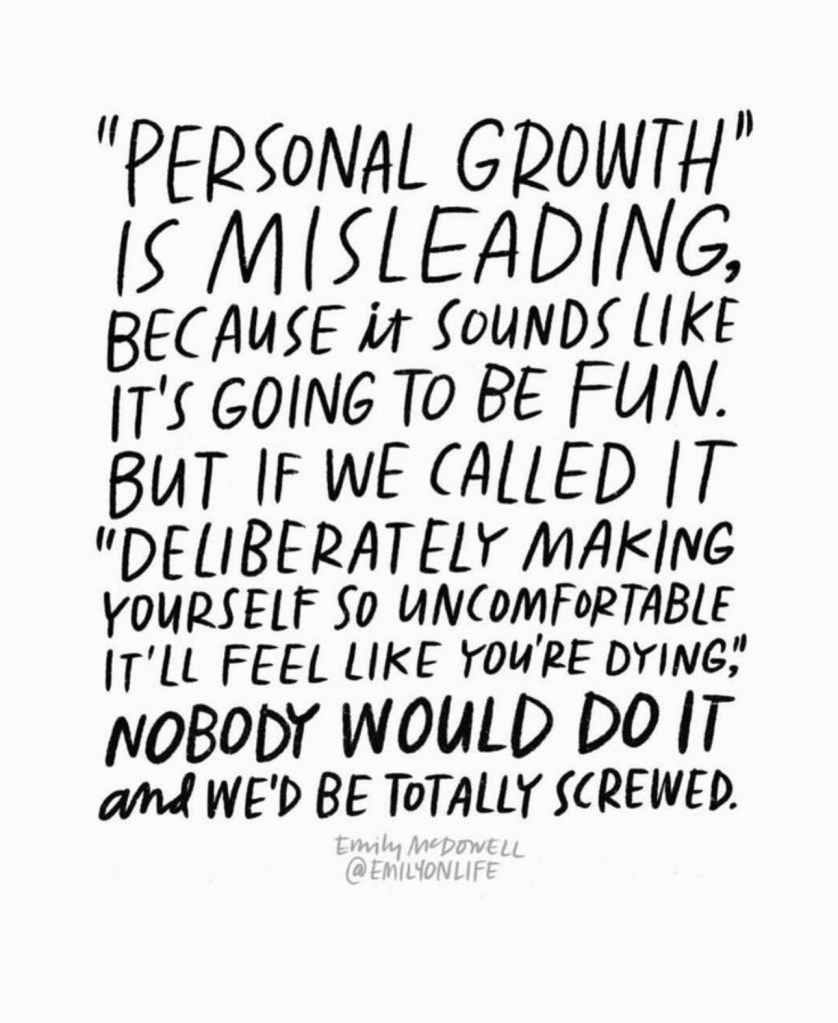
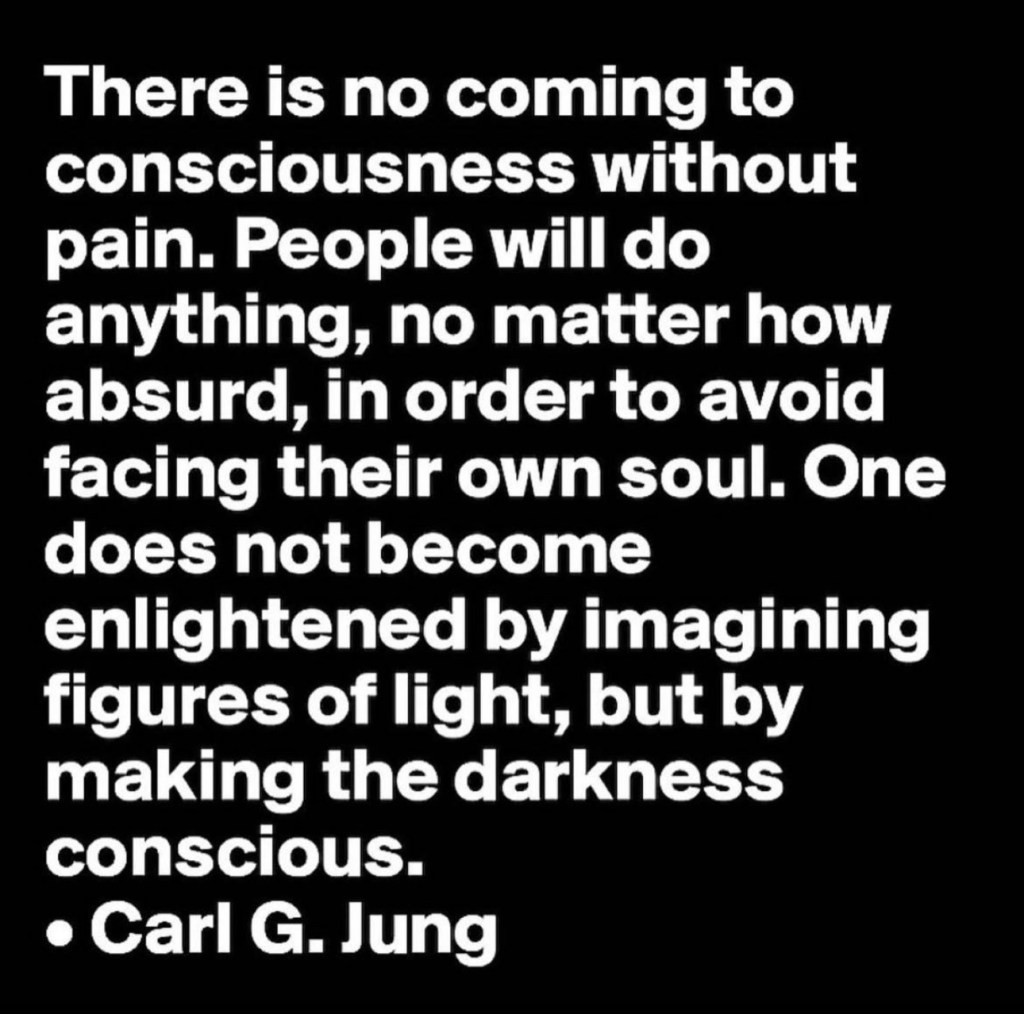
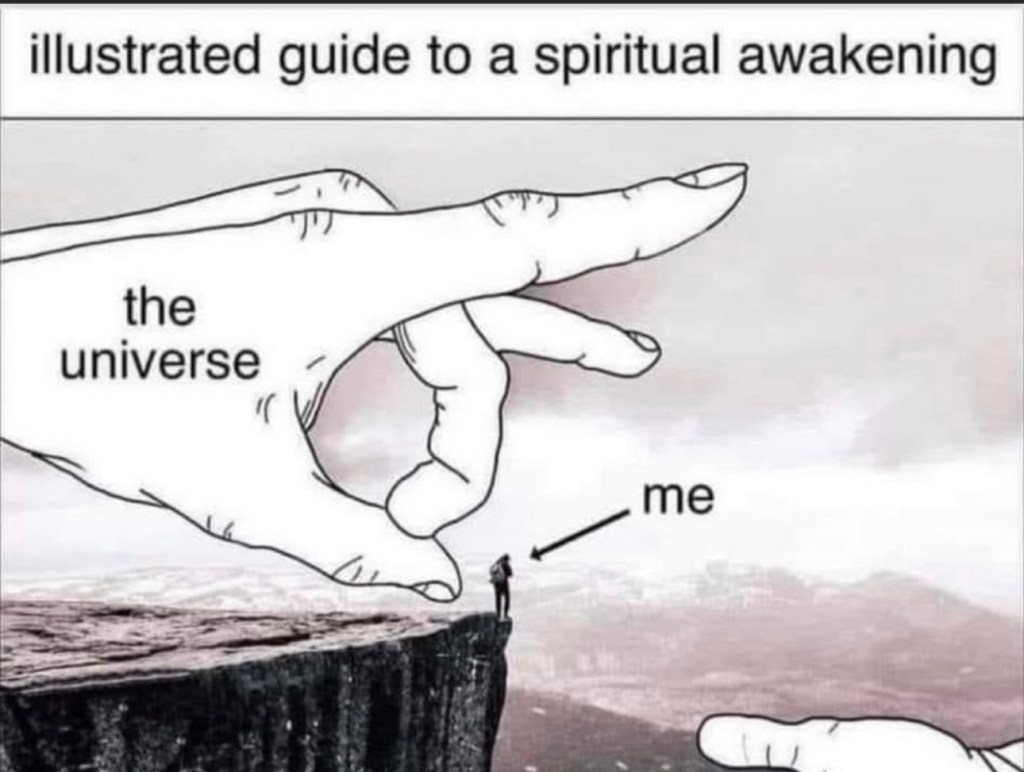



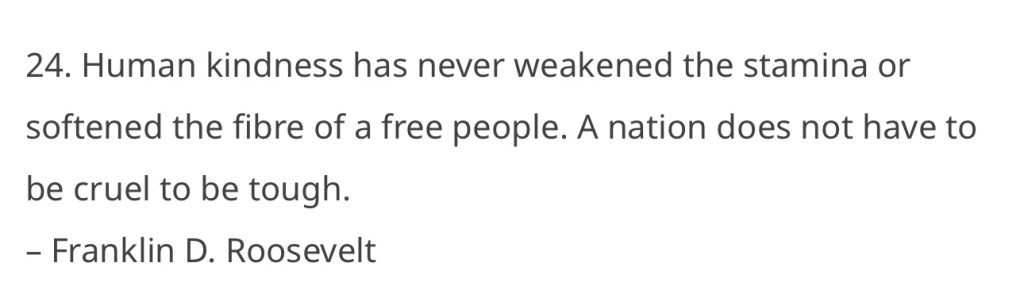
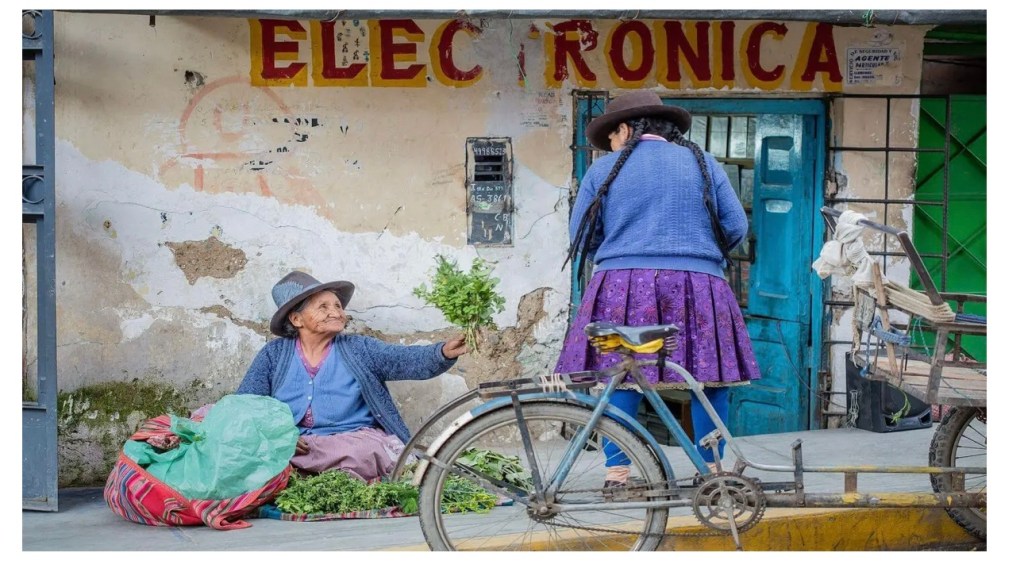
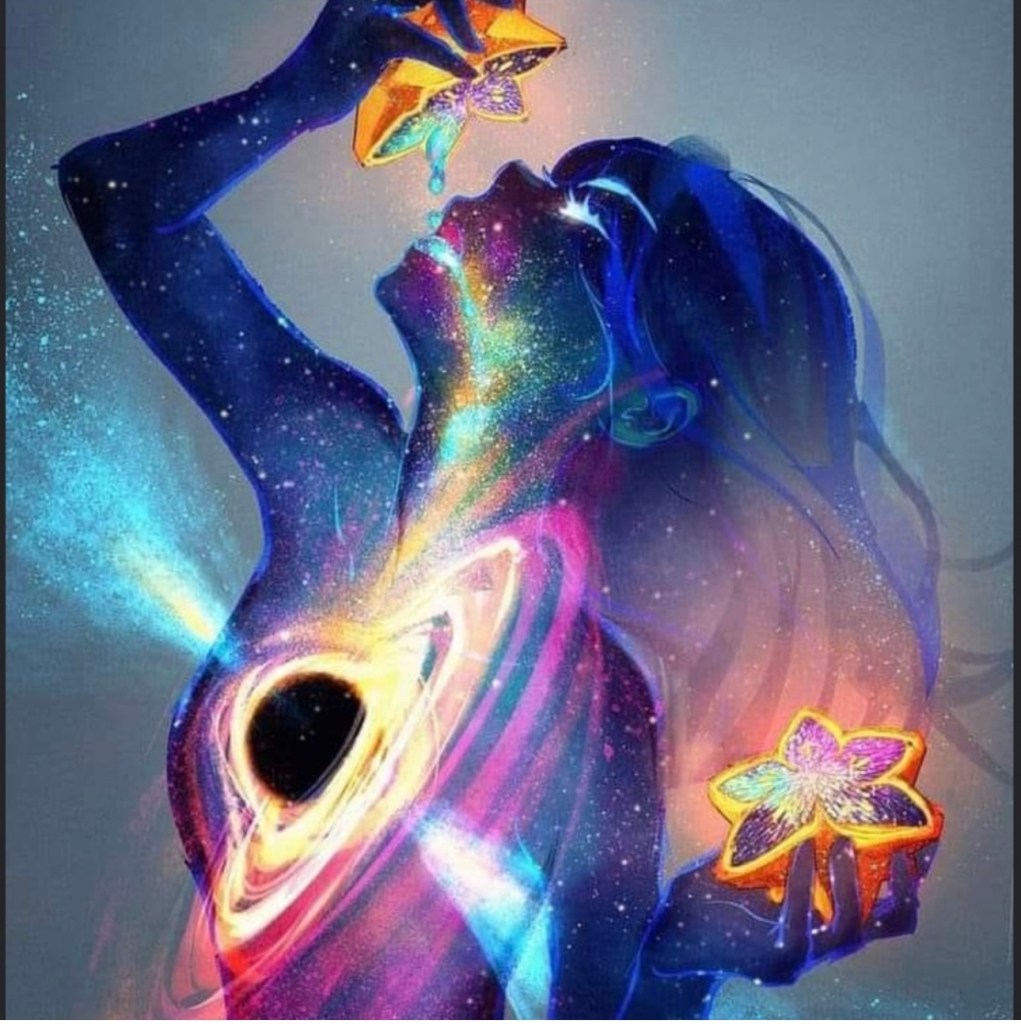
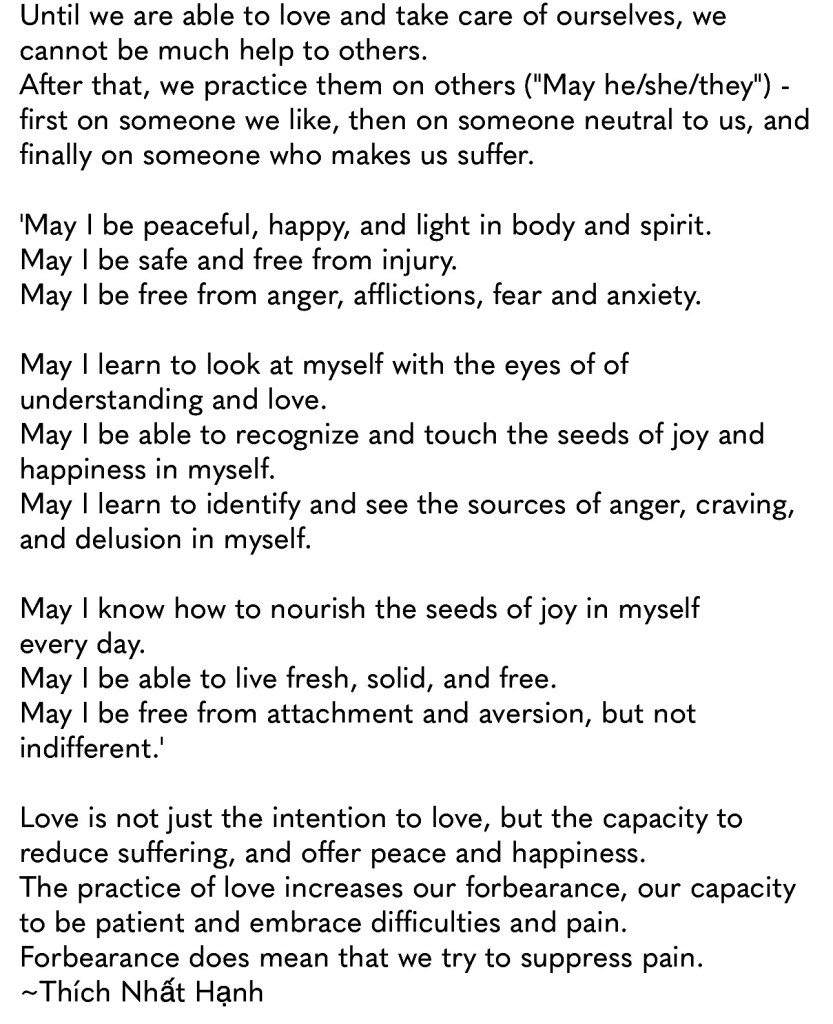
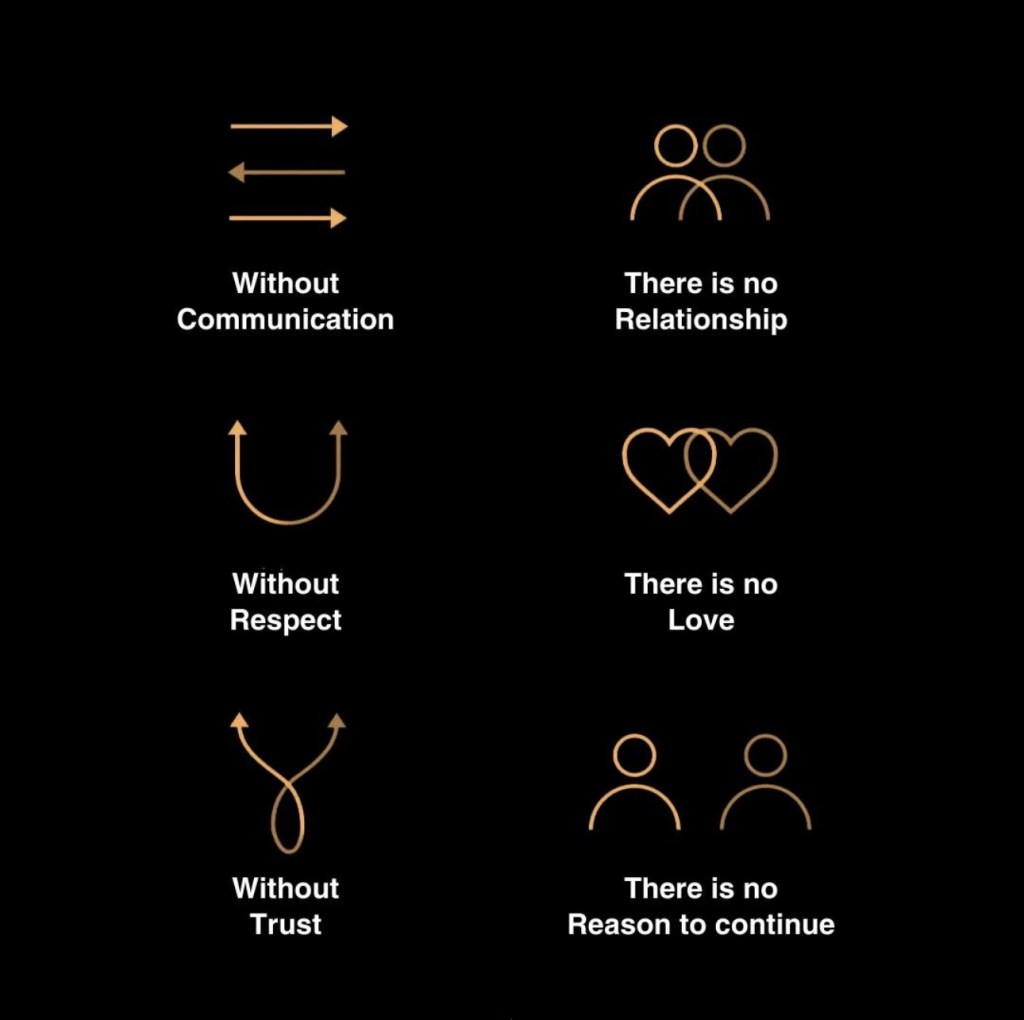
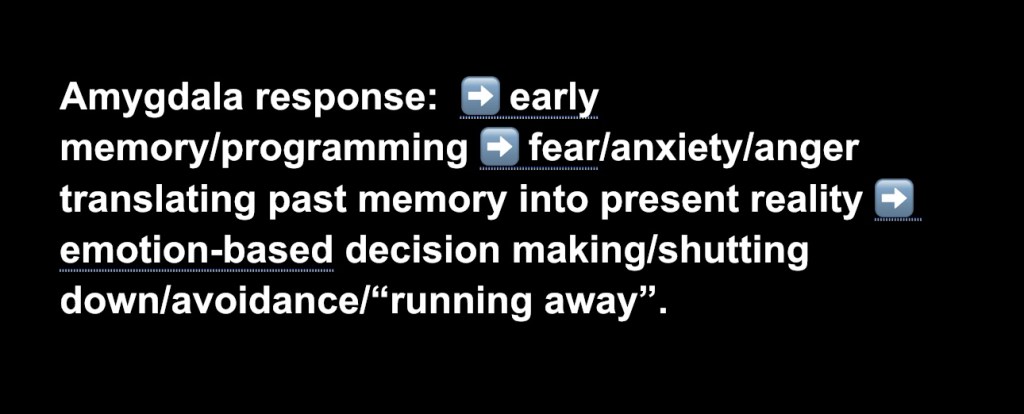
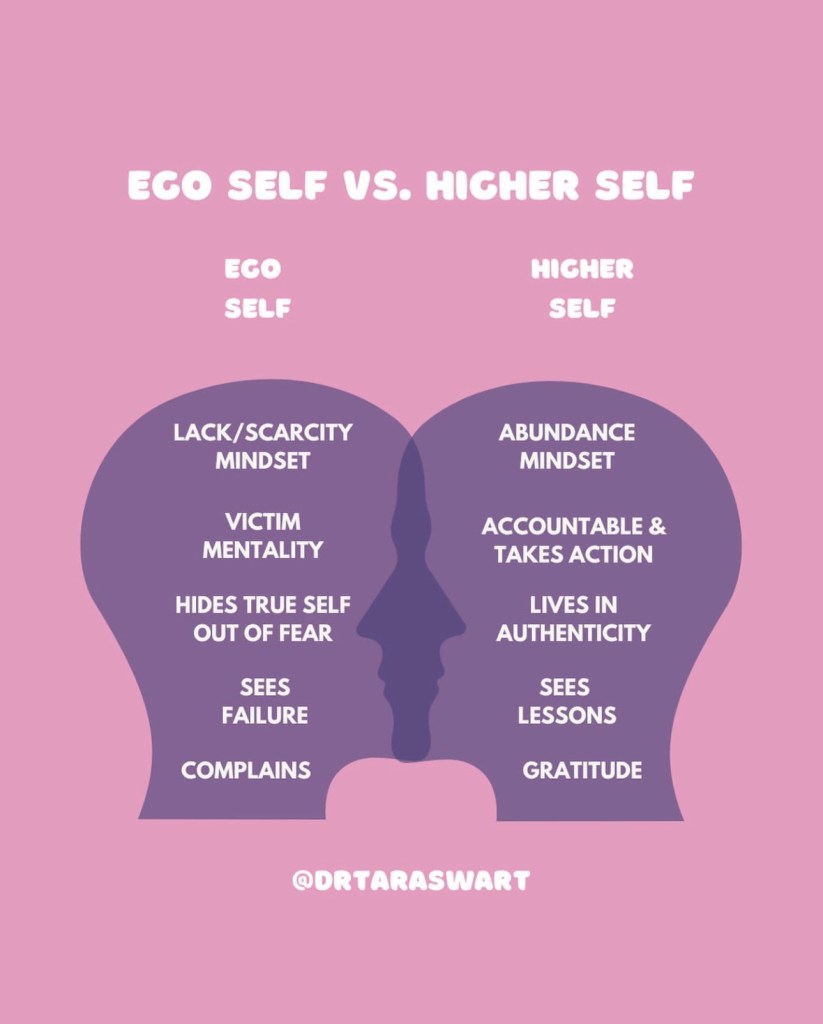
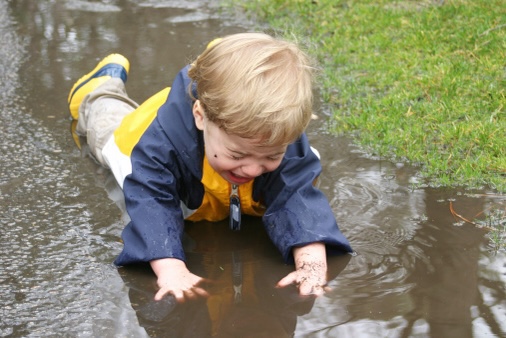

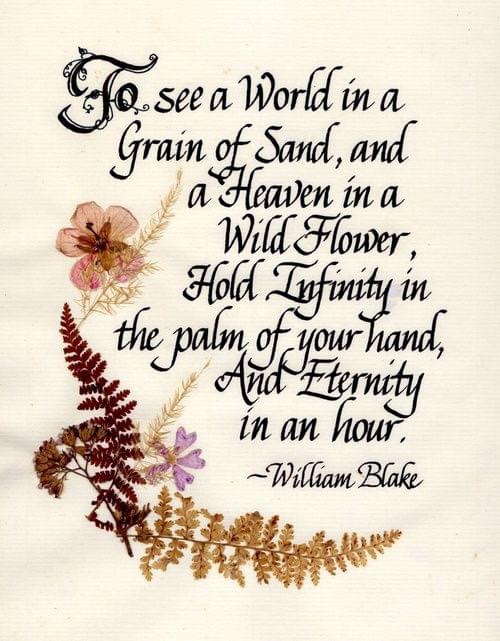


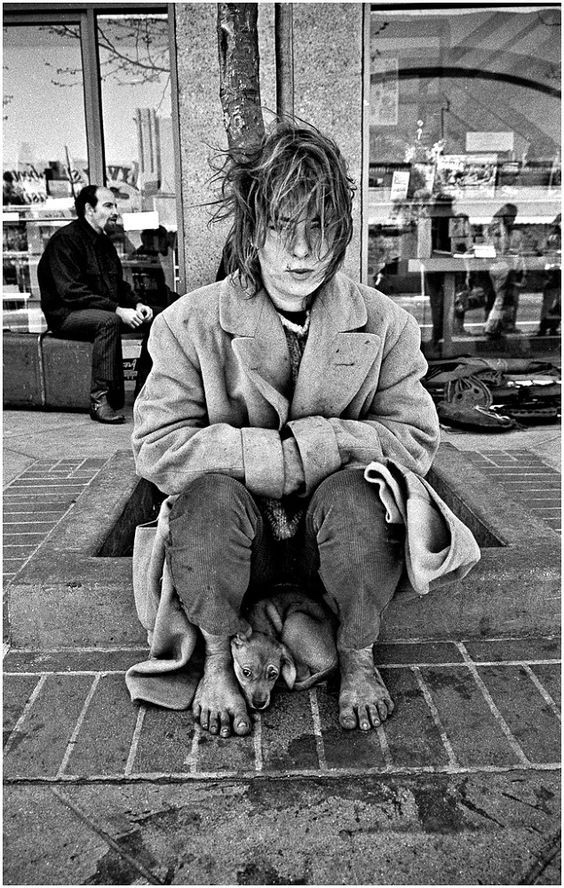
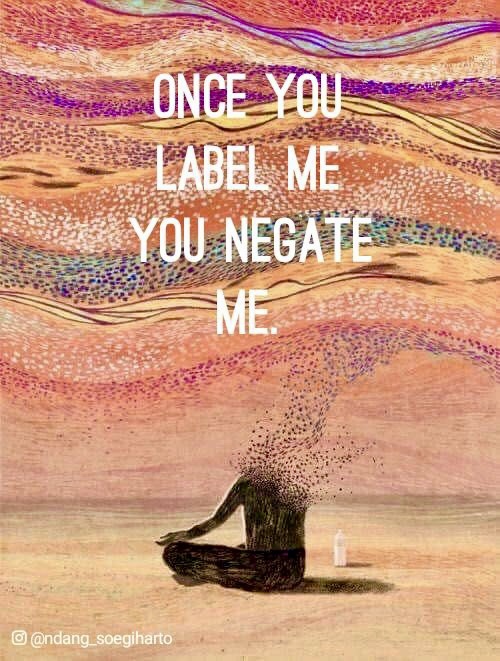


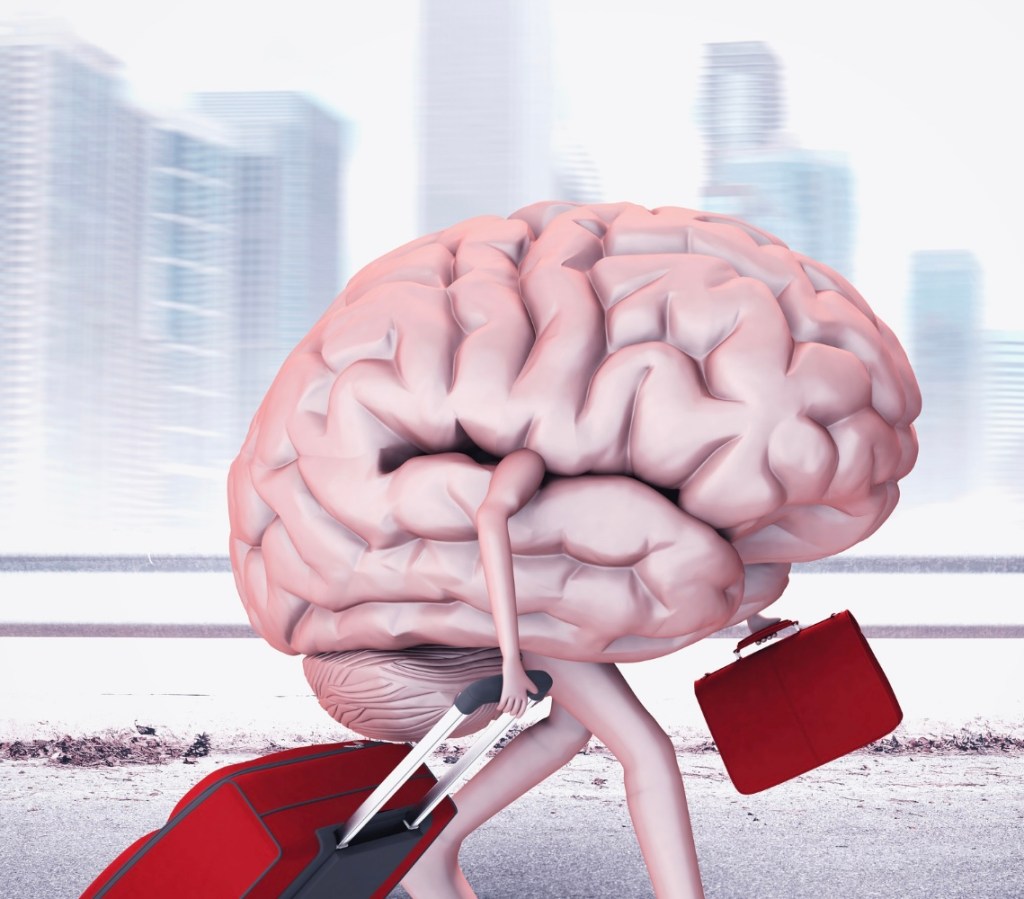


 This Blessed Sacred Life