To an emotionally unhealthy person, clear boundaries or a “no” is either a challenge or a personal affront.
To someone who is whole or on their healing journey, there is no possibility for affront. Choosing to listen to one’s own needs instead of people pleasing is a mark of self-respect and value.
Babe. Grab a cuppa and a comfy chair because we are going to take a little dive into a number of subjects today that all tie together, eventually. But the overarching theme here – and this is so important – is this:
You have a right and a responsibility to protect your peace.
This may seem like a no-brainer to some, but it is a radical concept to others who might be accustomed to being the peacemaker in family and peer dynamics – rather than the peace holder.
Protecting your peace means it’s not only ok, but vital that we learn to set healthy boundaries for ourselves, our time, and our energetic resources. It is making sure we find time for self-care and learning what it is that makes us as individuals happy.
Because Goddess knows, it can be only too easy to lose ourselves in the interests and lives of our partners, peers, and parents. And of course, our children, if we have them.
This doesn’t mean that we should not care for and share interests and passions with those close to us, of course. Loving those around us makes everyone’s lives better, and common ground is the best place to find healthy, happy connection, right? But finding a sense of authenticity and joy in our lives requires finding the balance between loving ourselves and others.
I like to imagine our bodies, minds, and the magnetic field that surrounds us as an energy storehouse. When we are in balance with ourselves and the world around us – happy with ourselves, our partnerships, family dynamics, social groups, and career or purpose, our energy levels are full. Light. We feel easy in the world and are able to share some of that stored energy with those around us.
But it can also be too easy to get caught up in the drama of someone else’s toxic mentality – and we have absolutely no obligation to invest our time and headspace into energy vampires – people or things that draw from our energy accounts without any promise of return.
This can be so hard for those of us who are empaths, people pleasers or fixer/mediator type personalities.
Here’s where an interesting concept comes in – Have you heard of the ancient Hawaiian practice of Ho’ oponopono?
The word translates into English as “Correction”, but also contains the synonyms “manage” or “supervise”. The practice, often facilitated by a family elder or a Hawaiian Hapuna – healer/priest – is one of healing, reconciliation, forgiveness and love, often within a family or extended family, but extending to anyone who breaks Kapu, or spiritual laws. Often, when a member of the community became ill, a Hapuna would be consulted to help the person become healthy again through finding forgiveness from the Gods or the person with whom there may have been a dispute.
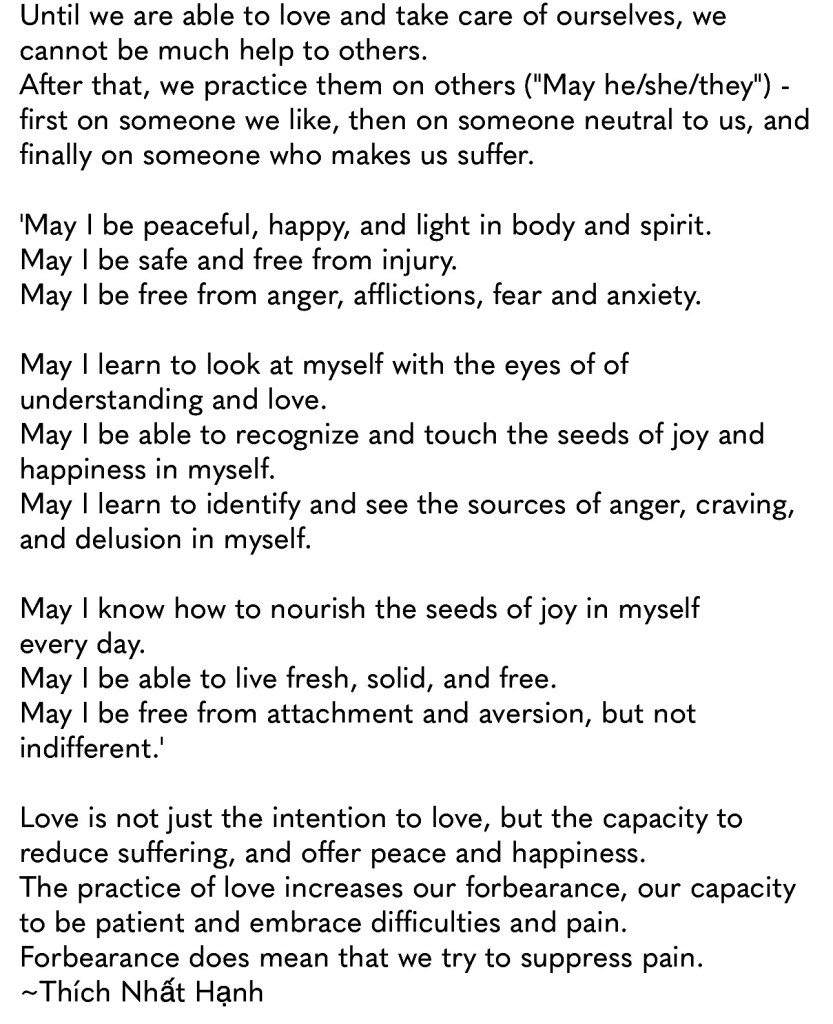
The practice of Ho’oponopono consists of four simple phrases –
~ I’m sorry.
~ Please forgive me.
~ Thank you.
~ I love you.
Ho’oponopono is taking responsibility for one’s thoughts or actions, making amends through word or deed, giving gratitude and love to the situation or person we may have wronged. This is a beautifully powerful practice and I believe we can take this idea and practice into every aspect of our lives to create greater unity and wholeness within ourselves, our relationships, and the world around us.
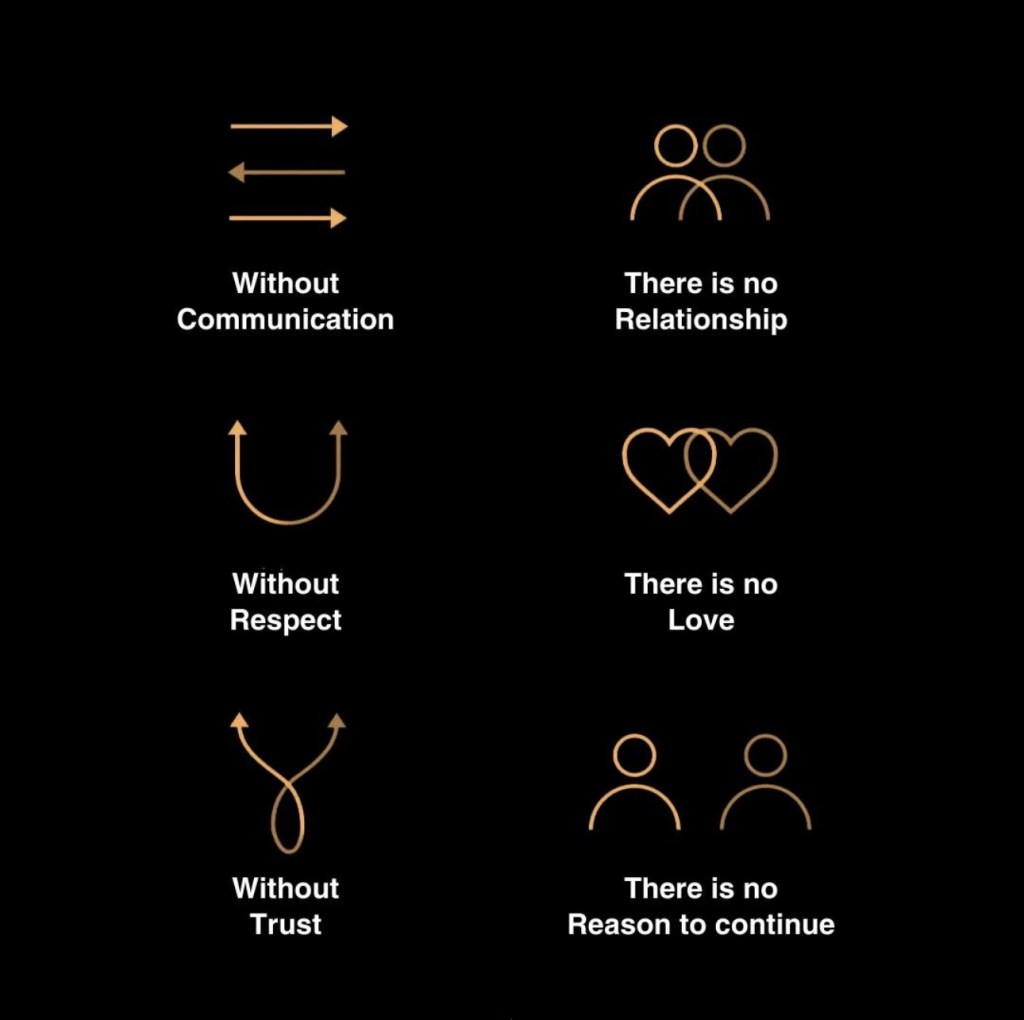
The thing is, apologies and vulnerable communication can be so hard.
Often, our past (childhood) programming translates the need for an apology or regular, honest communication from someone as “I must be bad/wrong/unloveable”, etc. This is rarely if ever the case, of course, but remember that an estimated 98% of our daily thoughts and actions are acted from our subconscious, (ego) and most of that began in the first eight years of life.
Our conscious mind may not understand or even care to query as to why it is difficult to say “I am sorry” or communicate without feeling defensive, frightened or intimidated. When we are acting from past trauma or unhealthy patterns, the amygdala – the brain’s processor for emotional responses, decision making, – and emotional response – is triggered, causing us to go into a state of anxiety, anger or fear. This is a primitive, emotional survival-instinct based reaction.
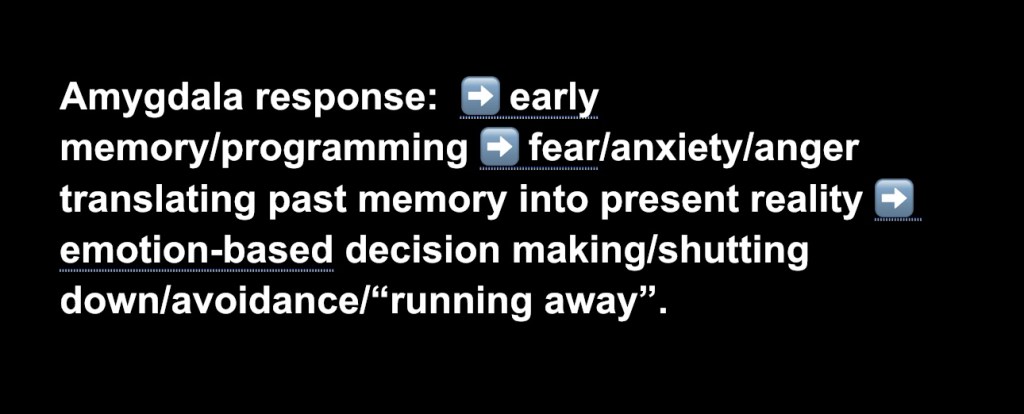
It requires some deep self-exploration and conscious awareness to find the root of our behaviors. Frankly, I don’t believe we can fully do this until we confront the faulty belief systems that our parents, caregivers and peers implanted in our minds from an early age (lack of value/unworthiness. Abandonment. Fear-based thinking/survival. Disempowerment. The list goes on…)
This is where the concept of Ho’oponopono related to the self can be applied to assist in the reprogramming and healing process. When we begin to practice having curiosity about how our internal states are reflected in our outside world on a regular basis, we can begin to address those unhealthy and untrue patterns and programmed ways of thinking.
We can learn to love ourselves in the way that our earliest caregivers perhaps did not know how to. We can forgive ourselves for our past to move forward in a manner based on a healthier EQ, have gratitude and appreciation for who we are in the present moment. All of this establishes the habit of growing the neural network of response from the prefrontal cortex; the part of the brain linked to higher-order functions such as logic, empathy, care and altruism. We learn to be in a place of responding rather than reacting. We learn to validate others’ feelings and take accountability for our own words and behaviors that might sometimes be less than constructive or healthy for ourselves or those around us.
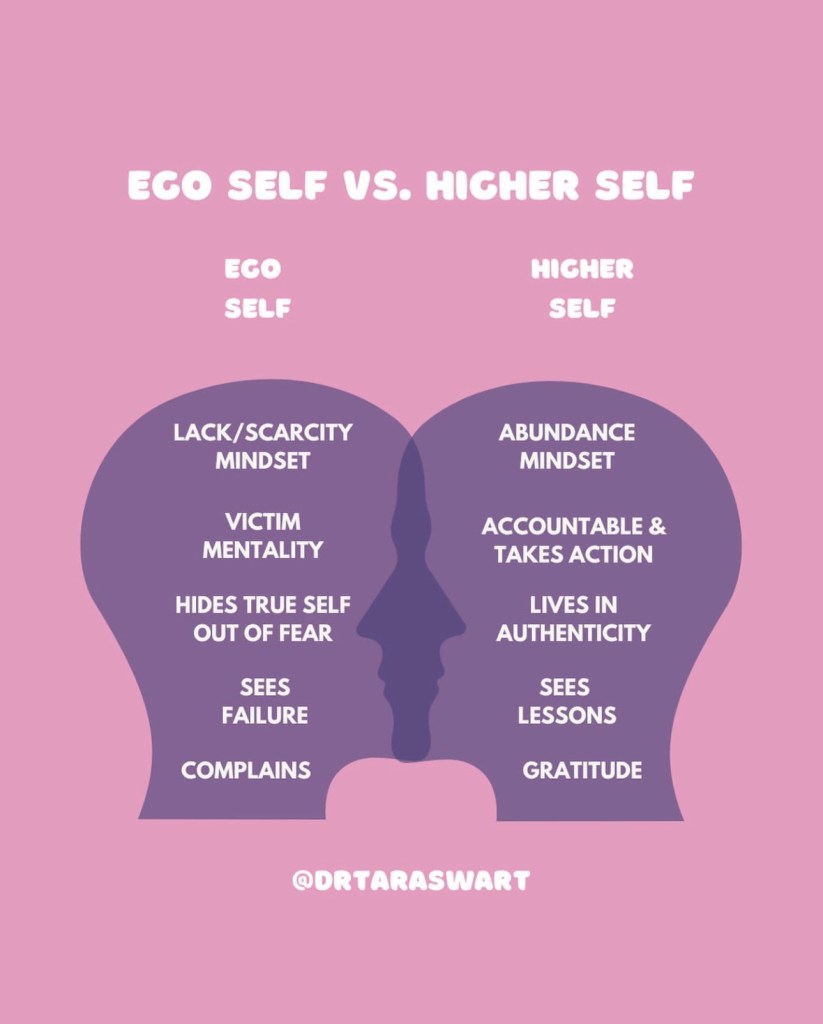
@drtstaswart 😎
The process of healing and learning to be aware and take accountability for every aspect of who we are in the present is not easy, as I mentioned above. I began learning about psychology, trauma, and eventually neurobiology and quantum physics/vibrational realities decades ago -not to help others, but to learn to heal myself and my own childhood trauma.
It’s amazing to me how even now, I occasionally discover layers of early dysfunctional programming and behaviors that I had absolutely no idea were there, particularly around my value system in my most intimate relationships.
But as hard and sometimes frightening as this learning and growth is, it can also be exciting, as I have spoken of in past posts and blogs relating to neurochemistry and confronting discomfort eventually giving us an emotional “high”. (#intothechaos) I don’t think I could stress in words just how worth it it is to do that healing in order to create a happier, healthier version of ourselves in our present and future realities; though, if you’ve read any of my work, you know I try.👀.
- The Power of Connection
- Excavating Our Authenticity: integration of lost Selves
- Connection
- America the Beautiful?
- Pray for peace
Which takes us back to Ho’oponopono and healing ourselves and our close relationships.
How can it relate when it comes to protecting our own peace while still caring for others?
Not everyone decides to take a pathway to healing.
Some are just too entrenched in those patterns and programs – ego-identification driven behaviors that they can not see or even try to see that their behaviors, words and actions are harmful. It is important to honor whatever or whomever they decide to be.
Every single human is on their own path. No matter how much an individual might be able to “see” why a person is the way they are, (why can’t they see their beauty and potential?…) each of us have to be responsible for the maintenance of only our own side of the road.
If someone looking for a better reality comes to us, we can do our best to provide some guideposts on the journey but even then, holding expectations for any other human besides ourselves only damages ourselves and our ability to have healthy relationships.
Sometimes, it is people that are close to us – family or friends that we have known perhaps our whole lives – that are toxic and unwilling or unable to do the work to be someone that we want to spend time and our energetic resources on. We may still love them deeply for the history we shared, but ⬆️⬆️ A. We can’t “fix” anyone. And B. If we don’t protect our peace/energetic resources, we have less to share with those who come willingly to our pathway that may need it most.
Let me give an example of this. I had coffee and a chat with a close friend about this subject recently.
“Elizabeth” is a healer and empath with a history of unhealthy relationships beginning in early childhood. In spite of her history of trauma, she has a beautiful petal-pink heart, and is committed to self-growth and evolution. She loves to love people, but like many empathy and healers, also has a tendency to give more of herself than she has to give. As a result, she often draws narcissists and energy vampires because she has difficulty protecting her energy field.
Imagine a lake of crystal-clear water surrounded by a forest filled with creatures. Every thirsty animal is going to come to drink from, swim in, and carouse in the lake, right? Eventually, as we know of African waterholes, the banks become muddy and the water murky and low from so many draining and churning up the water.
Alternatively, we have a neighboring lake that has a large fence around it with a gate that opens when a thirsty animal or small group of creatures comes over. The animals learn from the gatekeeper that they are welcome to drink if they are well behaved and drink only what they need. The lake remains pristine and full, as a result.
Beautiful, right?
But Elizabeth has only recently been learning to protect her peace – her lake. So some unhealthy folks from her past still come around, expecting unlimited energy from her – and get Pissed with a capital P when she protects her boundaries. They kick and scream, say awful things and accuse her of being a terrible person and not being a “true friend” for not giving them unlimited access to her resources.
When we spoke of this, she was emotionally torn between knowing that healthy boundaries abOore necessary, and that she can’t “fix” or “save” those that don’t really want to be saved – and feeling guilty for not being a “true friend”.
But what she wasn’t considering is that true friendship is always a two-sided relationship. Always. It doesn’t mean that the way two people express their care is necessarily the same – past programming/experience, love languages and attachment styles rarely if ever cross over completely – but there is always a give and take of energy between both people in any healthy relationship. In a healthy relationship, both parties should feel filled, at least most of the time.
Beyond that, it doesn’t matter how much good or potential we see in someone – if they don’t want to do the work to bring out that light in themselves, they will only end up drawing those who try to “help” them further into their darkness.
So we spoke of Ho’oponopono, and sending love – speaking or thinking of them from a distance – to those people from her past – or present – that did not respect her boundaries or value her caring heart.
Here’s what I suggested as her Ho’oponopono “prayer” to her old friend:
~ I am sorry for what you have been through.
~ Please forgive me for whatever pain I may have caused you.
~ Thank you for the wonderful moments of our past.
~ I love you, and wish you happiness.
This practice allows us to send loving kindness and healing to others – and ourselves – without having to physically engage in potentially exhausting mental and energetic judo with a toxic friend, family member, employer or peer.

Here’s a huge bonus aspect of putting this practice into “meditation” – It helps us build a healthier, happier brain.
According to Chade-Meng Tan;(@chandemeng ) Nobel Peace Prize nominee (One Billion Acts Of Peace) and author of Joy on Demand, sitting in silence for just three minutes and sending peace, love, or happiness “I wish for ______ to be happy” can drastically improve your own happiness baseline.
I did a little dive into the neurological and neurobiological processes of this phenomena and discovered that not only does this practice increase activity in the prefrontal cortex and create new neural pathways that help us to better self-regulate our emotional responses (NIH PMID 25646442), but it also lowers cortisol levels and increases oxytocin and serotonin. I’d call that a win all the way around, right? 😎
For me, I often incorporate this practice into my morning meditation. I place my left hand on my heart and my right on my abdomen, breathe slowly and deeply and repeat the prayer or mantra as I visualize someone in my life or from my own past that I would like to send some healing and love to.
Incidentally, Meditation doesn’t have to be sitting in lotus with a loincloth and a bindi. I have also practiced this while out on a walk, cooking a meal, or even while creating art. Anything that puts us into a state of “flow” can be considered meditation.
(Bearing in mind, there has been significant research on the myriad physiological and neurological benefits of sitting in quiet focus for just 10 minutes each day. That is a whole blog unto itself (or a book) so we won’t go into details, but something to consider…)
But meditation aside, practicing just a few minutes of Ho’oponopono each day can be a powerful tool for learning to create and honor your own boundaries while still loving others that may not be healthy for us to continue a relationship with. Remember that your energetic resources are finite, and protecting the beauty and purity of your “lake” will not only keep you happier and healthier but will also draw healthier people to you as you move forward on your journey.
How are you learning to protect your energy and your peace? What tools or techniques have been most helpful in setting and keeping healthy boundaries? Is there anything here that especially resonates?
Big love.💖
- Terah


 This Blessed Sacred Life