To an emotionally unhealthy person, clear boundaries or a “no” is either a challenge or a personal affront.
To someone who is whole or on their healing journey, there is no possibility for affront. Choosing to listen to one’s own needs instead of people pleasing is a mark of self-respect and value.
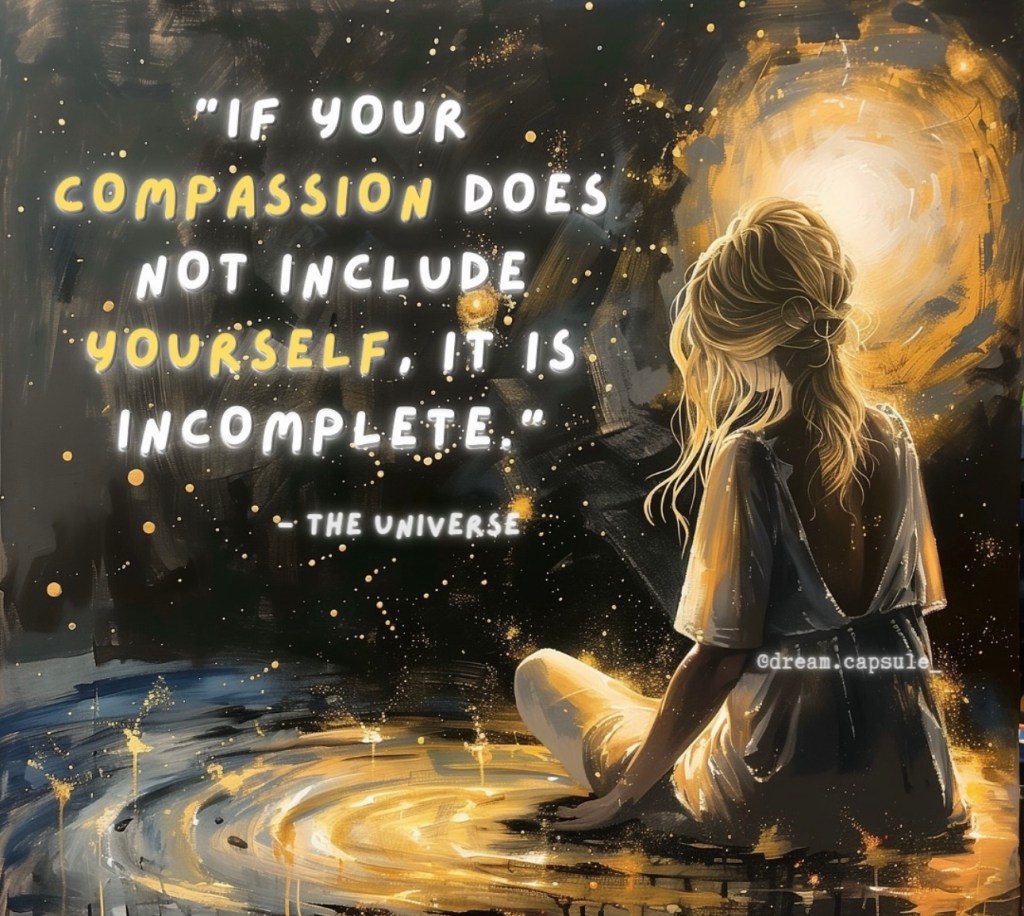
Babe. Grab a cuppa and a comfy chair because we are going to take a little dive into a number of subjects today that all tie together, eventually. But the overarching theme here – and this is so important – is this:
You have a right and a responsibility to protect your peace.
This may seem like a no-brainer to some, but it is a radical concept to others who might be accustomed to being the peacemaker in family and peer dynamics – rather than the peace holder.
Protecting your peace means it’s not only ok, but vital that we learn to set healthy boundaries for ourselves, our time, and our energetic resources. It is making sure we find time for self-care and learning what it is that makes us as individuals happy.
Because goodness knows, it can be only too easy to lose ourselves in the interests and lives of our partners, peers, and parents. And of course, our children, if we have them.
“Until we are able to love and take care of ourselves, we cannot be much help to others.”
This doesn’t mean that we should not care for and share interests and passions with those close to us, of course. Loving those around us makes everyone’s lives better, and common ground is the best place to find healthy, happy connection, right? But finding a sense of authenticity and joy in our lives requires finding the balance between loving ourselves and others.

I like to imagine our bodies, minds, and the magnetic field that surrounds us as an energy storehouse. When we are in balance with ourselves and the world around us – happy with ourselves, our partnerships, family dynamics, social groups, and career or purpose, our energy levels are full. Light. We feel easy in the world and are able to share some of that stored energy with those around us.
But it can also be too easy to get caught up in the drama of someone else’s toxic mentality – and we have absolutely no obligation to invest our time and headspace into energy vampires – people or things that draw from our energy accounts without any promise of return.
This can be so hard for those of us who are empaths, people pleasers or fixer/mediator type personalities.
Here’s where an interesting concept comes in – Have you heard of the ancient Hawaiian practice of Ho’ oponopono?
The word translates into English as “Correction”, but also contains the synonyms “manage” or “supervise”. The practice, often facilitated by a family elder or a Hawaiian Hapuna – healer/priest – is one of healing, reconciliation, forgiveness and love, often within a family or extended family, but extending to anyone who breaks Kapu, or spiritual laws. Often, when a member of the community became ill, a Hapuna would be consulted to help the person become healthy again through finding forgiveness from the Gods or the person with whom there may have been a dispute.
The practice of Ho’oponopono consists of four simple phrases –
~ I’m sorry.
~ Please forgive me.
~ Thank you.
~ I love you.
According to Chade-Meng Tan;(@chandemeng ) Nobel Peace Prize nominee (One Billion Acts Of Peace) and author of Joy on Demand, sitting in silence for just three minutes and sending peace, love, or happiness “I wish for ______ to be happy” can drastically improve your own happiness baseline.
In fact, not only does this practice increase activity in the prefrontal cortex and create new neural pathways that help us to self-regulate our emotional responses (NIH PMID 25646442), but it also lowers cortisol levels and increases oxytocin and serotonin. I’d call that a win all the way around, right?
The practice of Ho’oponopono is of taking full responsibility for our thoughts or actions, making amends through word or deed, giving gratitude and love to the situation or person we may have wronged. This is a beautifully powerful practice and I believe we can take this idea and practice into every aspect of our lives to create greater unity and wholeness within ourselves, our relationships, and the world around us.
The thing is, apologies and vulnerable communication can be so hard.

Often, our past (childhood) programming translates the need for an apology or regular, honest communication to someone as “I must be bad/wrong/unloveable”, etc. This is rarely if ever the case, of course, but remember that an estimated 98% of our daily thoughts and actions are acted from our subconscious, (ego) and most of that began in the first eight years of life.
Our conscious mind may not understand or even care to query as to why it is difficult to say “I am sorry” or communicate without feeling defensive, frightened or intimidated. When we are acting from past trauma or unhealthy patterns, the amygdala – the brain’s processor for emotional response – is triggered, causing us to go into a state of anxiety, anger or fear. This is a primitive, emotional survival-instinct based reaction.
It requires some deep self-exploration and conscious awareness to find the root of our behaviors. Frankly, I don’t believe we can fully do this until we confront the faulty belief systems that our parents, caregivers and peers implanted in our minds from an early age (lack of value/unworthiness. Abandonment. Fear-based thinking/survival. Disempowerment. The list goes on…)
This is where the concept of Ho’oponopono related to the self can be applied to assist in the reprogramming and healing process. When we begin to practice having curiosity about how our internal states are reflected in our outside world on a regular basis, we can begin to address those unhealthy and untrue patterns and programmed ways of thinking.
We can learn to love ourselves in the way that our earliest caregivers perhaps did not know how to. We can forgive ourselves for our past to move forward in a manner based on a healthier EQ, have gratitude and appreciation for who we are in the present moment. All of this establishes the habit of growing the neural network of response from the prefrontal cortex; the part of the brain linked to higher-order functions such as logic, empathy, care and altruism. We learn to be in a place of responding rather than reacting. We learn to validate others’ feelings and take accountability for our own words and behaviors that might sometimes be less than constructive or healthy for ourselves or those around us.
And that’s a beautiful thing, isn’t it? 😇
Big love.💖
- Terah
 This Blessed Sacred Life